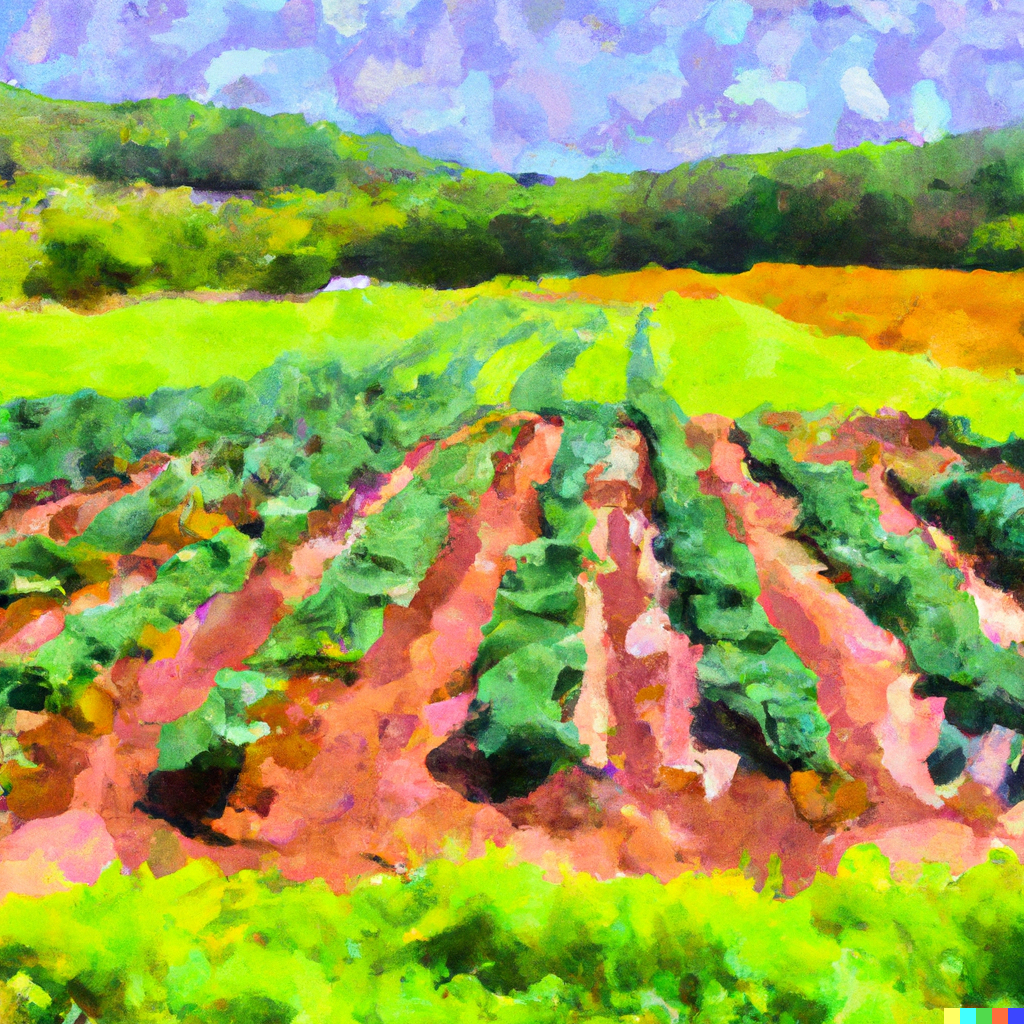
Regenerative agriculture is a new and innovative approach to farming that prioritizes the health of the soil and the environment. No-till regenerative farming, in particular, has become increasingly popular in recent years due to its numerous benefits. In this blog post, we will explore the importance of no-till regenerative farming in greater detail, examining its economic, environmental, and social benefits, as well as some of the challenges that must be overcome to promote its adoption.
What is no-till regenerative farming?
No-till regenerative farming is a method of agriculture that prioritizes soil health and biodiversity. Unlike conventional farming, which often relies on tilling and plowing the soil, no-till farming minimizes soil disturbance. This is achieved through the use of cover crops, crop rotation, and the integration of livestock.
By avoiding soil disturbance, no-till regenerative farming helps to protect the soil from erosion and nutrient depletion. In addition, it encourages the development of a diverse and complex soil ecosystem, which helps to increase soil fertility, reduce erosion, and enhance water retention. By building up the health of the soil, farmers can increase their crop yields and reduce the need for chemical fertilizers and pesticides.
Benefits of no-till regenerative farming
Environmental benefits
No-till regenerative farming has numerous environmental benefits. By minimizing soil disturbance, farmers can reduce erosion and the loss of topsoil. This is particularly important in areas with steep slopes or sandy soils, where erosion can be a significant problem. By reducing erosion, farmers can also improve water quality by reducing the amount of sediment and nutrients that enter nearby waterways.
No-till regenerative farming also helps to increase soil carbon sequestration. Soil contains a significant amount of carbon, and by avoiding soil disturbance, farmers can prevent the release of carbon from the soil into the atmosphere. This can help to mitigate climate change by reducing greenhouse gas emissions.
In addition, no-till regenerative farming promotes biodiversity by providing habitats for a variety of plant and animal species. This can help to promote a healthy ecosystem that is more resilient to pests and diseases. By reducing the need for chemical interventions, this can also reduce the negative impacts of conventional agriculture on the environment.
Economic benefits
No-till regenerative farming can provide economic benefits to farmers. By building up the health of the soil, farmers can increase their crop yields and reduce the need for chemical fertilizers and pesticides. This can lead to cost savings and increased profitability over time. In addition, by minimizing soil disturbance, farmers can reduce their labor costs and the amount of fuel required to run heavy equipment.
No-till regenerative farming can also help to improve soil health over the long term. This can help to increase the resilience of crops to pests, diseases, and weather extremes, which can reduce the risk of crop failures and increase yields. By improving the health of the soil, farmers can also reduce the need for costly inputs such as fertilizer, herbicides, and pesticides.
Social benefits
No-till regenerative farming can provide social benefits by promoting community engagement and supporting local food systems. By prioritizing soil health and biodiversity, no-till farming can help to build a more sustainable and resilient food system that is less reliant on external inputs. This can help to reduce the vulnerability of farmers to price fluctuations and other external factors.
In addition, no-till regenerative farming can provide opportunities for small-scale farmers and local communities. By promoting biodiversity and soil health, no-till farming can provide a range of ecosystem services, such as water retention, carbon sequestration, and soil conservation. These services can be valuable to local communities and can help to support the development of local economies.
Challenges to promoting no-till regenerative farming
While no-till regenerative farming offers numerous benefits, there are also some challenges to promoting its adoption. These challenges can be related to economic, social, and technical factors.
Access to knowledge and resources
One of the main challenges to promoting no-till regenerative farming is a lack of knowledge and resources. No-till farming requires a significant amount of planning and management to be successful, and farmers may not have the knowledge or resources to implement it effectively. In addition, access to equipment and technical assistance may be limited in some regions, which can make it difficult for farmers to transition to no-till practices.
Short-term economic costs
Transitioning to no-till regenerative farming can involve short-term economic costs, such as the cost of purchasing cover crops or modifying equipment. This can be a significant barrier for some farmers, particularly those who are already struggling financially. In addition, there may be a period of adjustment during which yields may be lower as the soil is rebuilt, which can further impact the economic viability of no-till farming.
Limited access to markets
No-till regenerative farming is often associated with small-scale and local food systems, which can limit access to markets for farmers. While there is growing demand for sustainably produced food, it can still be difficult for small-scale farmers to compete with larger producers in terms of pricing and distribution. This can make it difficult for farmers to justify the costs of transitioning to no-till farming.
Social and cultural barriers
No-till regenerative farming may also face social and cultural barriers, particularly in regions where conventional farming practices are deeply ingrained. Some farmers may be resistant to changing their practices or may not see the benefits of no-till farming. In addition, social and cultural barriers can include a lack of support from government agencies and other stakeholders.
Climate variability
No-till regenerative farming can be more challenging in regions with high levels of climate variability. In regions with frequent droughts or floods, for example, cover crops may not be able to establish effectively, or there may be limitations to the use of livestock in crop rotations. This can make it difficult for farmers to transition to no-till farming or to maintain it over the long term.
No-till regenerative farming represents an innovative and sustainable approach to agriculture that offers numerous benefits to the environment, farmers, and local communities. While there are some challenges to promoting its adoption, such as limited access to knowledge and resources, short-term economic costs, limited access to markets, social and cultural barriers, and climate variability, there is growing support for this approach to agriculture. By addressing these challenges, we can promote the adoption of no-till regenerative farming and build a more sustainable and resilient food system for the future.
 Birdie & The Bees Farm