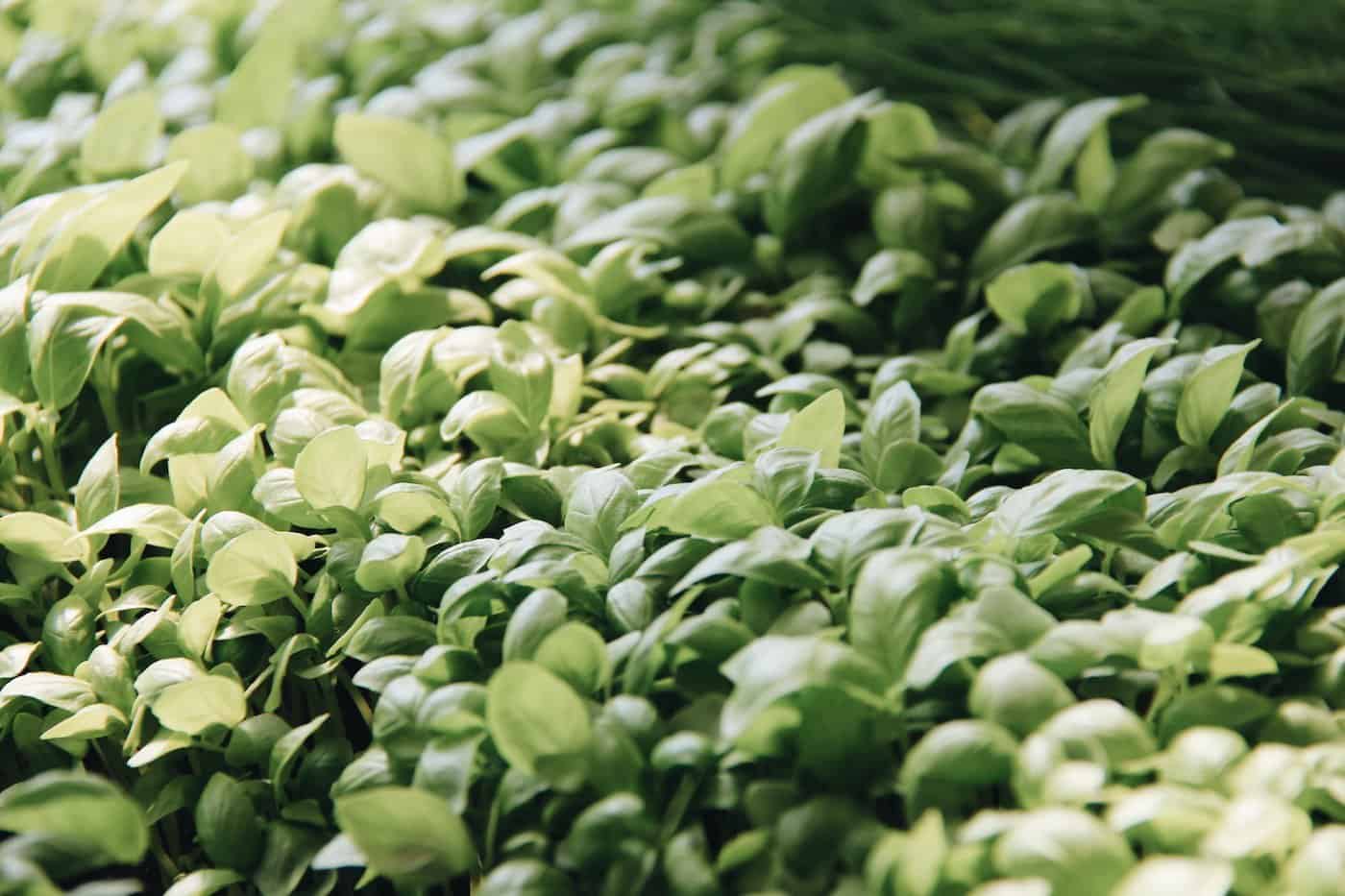
Microgreens are a relatively new addition to the world of agriculture, but they have quickly become a popular and important aspect of a diversified farming operation. These tiny, nutrient-dense plants are harvested when they are still in their early stages of growth, just after the first set of true leaves appear. They are typically grown in soil or on a hydroponic mat, and can be harvested within just a few weeks of planting. Microgreens have a unique flavor and texture, and can be used in a wide variety of dishes, making them a valuable addition to any kitchen. In this blog post, we will explore the importance of microgreens in a diversified farming operation, and the benefits that they offer.
- Microgreens are a high-value crop
One of the primary benefits of microgreens is that they are a high-value crop. Because they are small and delicate, they require careful handling and packaging, which makes them more expensive than other types of greens. Additionally, microgreens have a unique flavor and texture that is difficult to replicate with other types of greens, which makes them a valuable ingredient in high-end restaurants and specialty food stores.
For farmers, this means that microgreens can be a profitable crop to grow. Because they can be grown quickly and require relatively little space, they can be grown in small batches, allowing farmers to experiment with different varieties and flavors. Additionally, because microgreens are harvested at such an early stage of growth, they can be sold at a premium price, which can help farmers to increase their revenue.
- Microgreens are a great way to diversify a farm
Another benefit of microgreens is that they are a great way to diversify a farm. Because they can be grown in small batches and require relatively little space, farmers can use them to make the most of their land. This is especially important for small-scale farmers, who may not have the resources to grow large quantities of traditional crops like corn or soybeans.
By diversifying their crops, farmers can also reduce their risk. This is because if one crop fails, they still have other crops that they can rely on to generate income. Additionally, by growing a variety of crops, farmers can create a more resilient ecosystem on their land, which can help to reduce the impact of pests and disease.
- Microgreens can be grown year-round
One of the great things about microgreens is that they can be grown year-round. This is because they can be grown indoors, in a greenhouse, or even in a basement with the right lighting and temperature control. This means that farmers can generate income from microgreens even during the winter months when traditional outdoor crops are not available.
Additionally, because microgreens have a quick turnaround time, farmers can harvest them on a regular basis, which means they can generate income on a more consistent basis. This is important for farmers who may not have a lot of other income streams.
- Microgreens are nutrient-dense
Another benefit of microgreens is that they are incredibly nutrient-dense. Because they are harvested at such an early stage of growth, they contain a high concentration of vitamins and minerals. In fact, some studies have shown that microgreens can contain up to 40 times the nutrient concentration of their mature counterparts.
For consumers, this means that microgreens are an excellent way to get a nutrient boost in their diets. They can be added to salads, smoothies, sandwiches, and other dishes to provide an extra dose of vitamins and minerals.
- Microgreens are easy to grow
Finally, one of the great things about microgreens is that they are relatively easy to grow. They require little space, and can be grown using a variety of different methods, including soil-based growing, hydroponic growing, and even in jars or trays. This means that farmers of all sizes and experience levels can experiment with growing microgreens.
In fact, many people have started growing microgreens in their own homes as a way to supplement their diets with fresh, nutrient-dense greens. This is a great way to get started with growing microgreens, as it requires minimal investment and can be done with just a few basic supplies.
Additionally, because microgreens have a quick turnaround time, they are a great way for beginners to experiment with growing plants and learning about the basics of gardening. This can be especially rewarding for people who live in urban areas or who don’t have access to a traditional garden space.
Conclusion
Overall, microgreens are an important and valuable addition to any diversified farming operation. They are a high-value crop that can generate income year-round, and they offer a wide variety of health benefits. Additionally, they are easy to grow and can be used to make the most of limited space.
If you’re a farmer who is interested in growing microgreens, there are a few things to keep in mind. First, you’ll need to invest in the right equipment and supplies, including lighting, trays or pots, and growing medium. Additionally, you’ll need to experiment with different varieties and growing methods to find what works best for you.
However, if you’re willing to put in the time and effort, growing microgreens can be a rewarding and profitable addition to your farming operation. They offer a unique flavor and texture that can’t be found in other types of greens, and they offer a range of health benefits that can help to keep your customers coming back for more. So why not give microgreens a try? You may be surprised by how much you enjoy growing and harvesting these tiny, nutrient-dense plants.
 Birdie & The Bees Farm