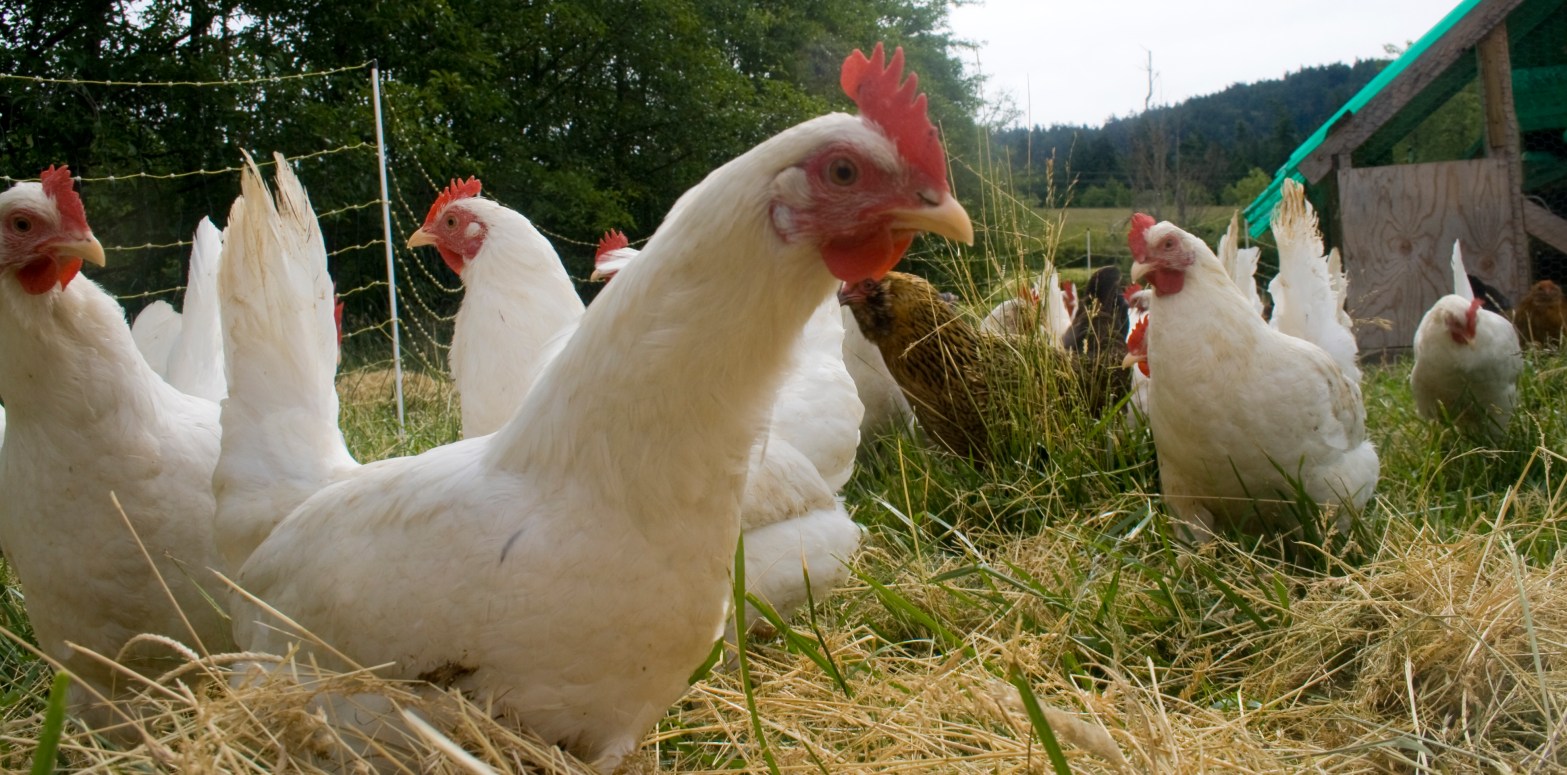
Chickens have long been a staple of agriculture, providing eggs and meat for human consumption. However, in recent years, they have also gained recognition for their role in regenerative agriculture. Regenerative agriculture is a farming system that prioritizes soil health, biodiversity, and the long-term sustainability of the land. Chickens can play a vital role in regenerative agriculture, helping to build healthy soil, control pests, and provide valuable nutrients for crops. In this blog post, we will explore the various ways in which chickens contribute to regenerative agriculture and why they are an important part of a sustainable farming system.
One of the key benefits of chickens in regenerative agriculture is their ability to help build healthy soil. Chickens are natural foragers and scavengers, and they will eat a wide variety of insects, grubs, and other small creatures. When chickens are allowed to roam freely on a farm, they will scratch and peck at the soil, breaking up compacted dirt and helping to aerate the ground. This process helps to improve soil structure, allowing water and nutrients to penetrate more easily. Additionally, the manure produced by chickens is rich in nitrogen, phosphorus, and other essential nutrients that are vital for healthy soil. When chickens are allowed to roam freely, they will fertilize the soil with their droppings, providing a natural source of nutrients for plants to grow.
Chickens can also play an important role in pest control on a farm. Many insects and other small creatures can be harmful to crops, and farmers often resort to pesticides to control them. However, pesticides can have negative impacts on the environment, killing not only pests but also beneficial insects and other organisms. Chickens can help to control pests in a more natural way, eating insects and other small creatures that would otherwise damage crops. By using chickens for pest control, farmers can reduce their reliance on pesticides, creating a healthier and more sustainable farming system.
Another important role that chickens play in regenerative agriculture is in providing valuable nutrients for crops. Chickens are excellent at converting food scraps and other organic waste into high-quality manure. This manure can be used to fertilize crops, providing a natural source of nutrients that is free from synthetic chemicals. In addition to their manure, chickens also produce eggs, which are an excellent source of protein and other nutrients. These eggs can be sold or used to feed the farmers themselves, providing a valuable source of nutrition that is produced right on the farm.
Chickens can also help to improve biodiversity on a farm. Biodiversity refers to the variety of plants, animals, and other organisms that are present in an ecosystem. When a farm has high biodiversity, it is more resilient to pests, disease, and other challenges that may arise. Chickens can help to increase biodiversity on a farm by eating a wide variety of insects and other small creatures. This helps to create a more balanced ecosystem, where no single species dominates. Additionally, by providing habitat for wild birds and other animals, chickens can help to create a diverse and healthy ecosystem.
Finally, chickens are a valuable source of income for farmers. In addition to providing eggs and meat for consumption, chickens can also be sold to other farmers or to consumers. Many people are interested in buying locally produced, sustainably raised chickens, and farmers who are able to provide these products can earn a good income. Additionally, by using chickens for pest control and fertilization, farmers can reduce their expenses on pesticides and synthetic fertilizers, saving them money in the long run.
In order to fully harness the benefits of chickens in regenerative agriculture, it is important to manage them properly. Chickens should be allowed to roam freely on the farm, foraging and scratching in the soil. However, they should also be protected from predators and other dangers, such as diseases and extreme weather. This can be achieved through the use of chicken coops or mobile chicken tractors, which provide a safe and secure environment for the chickens while still allowing them to move around and forage. Proper sanitation practices should also be followed to prevent the spread of disease among the chickens.
Another important consideration is the breed of chicken used in regenerative agriculture. Many commercial breeds of chickens have been selectively bred for high egg or meat production, but may not be well-suited to foraging and outdoor living. Heritage breeds, on the other hand, are often better adapted to outdoor living and can be more resilient to disease and harsh weather conditions. By using heritage breeds in regenerative agriculture, farmers can ensure that their chickens are able to thrive in their natural environment, while still providing valuable products for human consumption.
Overall, chickens play an important role in regenerative agriculture, providing numerous benefits for both the land and the farmers who work it. By allowing chickens to roam freely and using them for pest control and fertilization, farmers can create a sustainable farming system that is both environmentally friendly and economically viable. However, proper management practices must be followed to ensure the health and well-being of the chickens and the long-term sustainability of the land. By incorporating chickens into their farming practices, farmers can help to create a more resilient and sustainable food system for future generations.
 Birdie & The Bees Farm