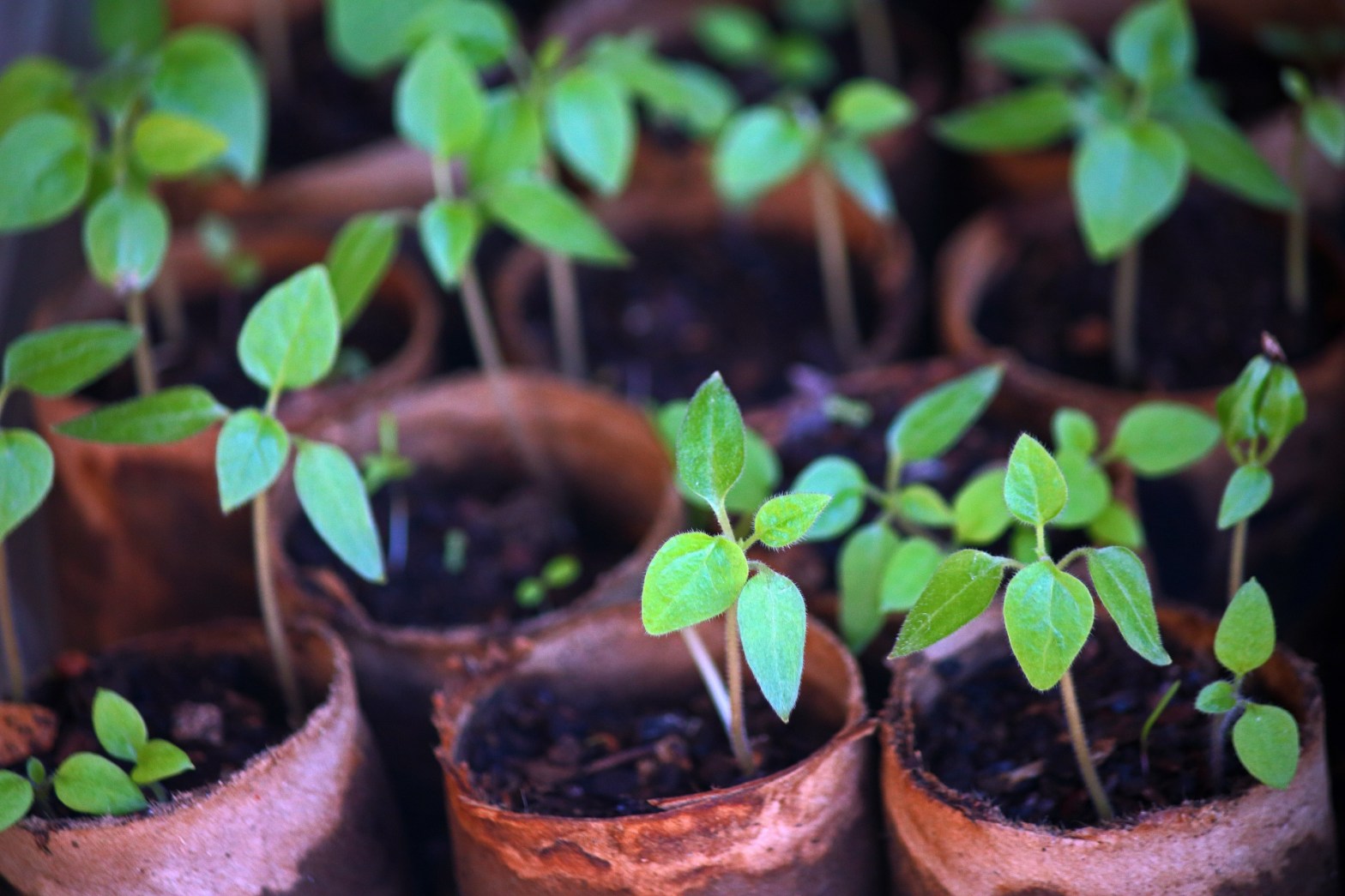
Starting seeds in a greenhouse can be an effective way to extend the growing season and increase the yield of your plants. Here is an in-depth guide to help you get started:
- Choose the Right Greenhouse: When selecting a greenhouse, consider the size, style, and materials. The size should be large enough to accommodate your growing needs, but also fit within your budget and space. The style of greenhouse can range from a traditional freestanding model to a modern lean-to design that attaches to a wall. Materials can be made from glass, polycarbonate, or polyethylene. Glass provides the most light, but is fragile and expensive. Polycarbonate is lightweight and shatterproof, but can scratch easily. Polyethylene is the least expensive and easy to install, but has a shorter lifespan. Also, make sure the greenhouse has good ventilation to prevent overheating and humidity buildup.
- Choose the Right Seeds: Before purchasing seeds, determine which plants are suitable for your climate and growing conditions. Consider factors such as light requirements, temperature range, and soil pH. Seed packets will typically provide instructions on how deep to plant the seed, and the optimal soil and temperature conditions. Look for high-quality seeds that have been tested for germination rate.
- Prepare the Soil: The soil used for starting seeds should be light, fluffy, and have good drainage. Use a soilless mix that is specifically formulated for seed starting, which will typically include ingredients such as peat moss, vermiculite, perlite, and sometimes compost. If you are using garden soil, make sure it is free of debris and weed seeds, and consider adding sand or perlite to improve drainage.
- Plant the Seeds: When planting seeds, follow the instructions on the seed packet for proper spacing, depth, and watering. In general, most seeds should be planted to a depth of two to three times their diameter. Cover the container with plastic wrap or a clear plastic dome to create a mini-greenhouse effect. This will help retain moisture and heat, and speed up the germination process.
- Provide Adequate Light: Seedlings require a lot of light to grow. Place seedlings in a location that receives at least 8-12 hours of direct sunlight each day. If natural light is not available, use fluorescent or LED grow lights. Keep the lights about 6 inches above the seedlings, and adjust the height as the plants grow taller. Use a timer to ensure that the plants receive consistent light each day.
- Provide Adequate Water: Seedlings require consistent moisture to grow. Water the soil when the surface feels dry to the touch, using a watering can or spray bottle to prevent damage to the delicate seedlings. Avoid overwatering, which can lead to damping-off disease, root rot, and other problems. Also, make sure the water temperature is at room temperature.
- Transplant the Seedlings: Once the seedlings have grown their first true leaves, they are ready to be transplanted into larger containers. Use a high-quality potting mix and plant the seedlings at the same depth they were growing in the previous container. Make sure the soil is level and firm around the plant, and water the plant lightly. Transplanting too early or too late can stunt growth, so pay close attention to the plant’s growth rate.
- Maintain Proper Temperature: Seedlings require a stable temperature range to grow properly. Most plants prefer temperatures between 60 and 75 degrees Fahrenheit during the day, and between 50 and 60 degrees Fahrenheit at night. Use a thermometer to monitor the temperature, and use fans or vents to regulate the temperature and prevent overheating. If the greenhouse is unheated, consider using a seedling heat mat to maintain a stable temperature.
- Control Pests and Diseases: Greenhouse plants are susceptible to a variety of pests and diseases, including aphids, whiteflies, mealybugs, and powdery mildew. To prevent and control these issues, keep the greenhouse clean and free of debris, and regularly inspect plants for signs of infestation or disease. Use natural pest control methods, such as releasing beneficial insects like ladybugs or using insecticidal soap. If necessary, use chemical pesticides as a last resort and follow the instructions carefully.
- Harvest the Plants: Once the plants have matured, it’s time to harvest! This can be the most rewarding part of the process, as you get to enjoy the fruits (and vegetables) of your labor. Harvesting times will vary depending on the type of plant, so make sure you know when to expect a harvest. Some plants, like tomatoes, will continue to produce fruit throughout the season, while others, like lettuce, will produce only once. Make sure you harvest the plants at the right time to ensure the best flavor and quality.
In addition to these steps, it’s important to be patient and attentive when starting seeds in a greenhouse. Growing plants from seeds takes time and effort, but the rewards can be great. Keep a journal or log of your progress, and make note of what works and what doesn’t. Over time, you’ll develop a system that works for you and your plants, and you’ll be able to enjoy a bountiful harvest of healthy, homegrown produce.
In conclusion, starting seeds in a greenhouse can be a rewarding and enjoyable experience for gardeners of all skill levels. By following the steps outlined above, you can successfully grow healthy, productive plants in your greenhouse. Remember to choose the right seeds, prepare the soil, provide adequate light and water, maintain proper temperature, control pests and diseases, and enjoy the fruits of your labor!
 Birdie & The Bees Farm