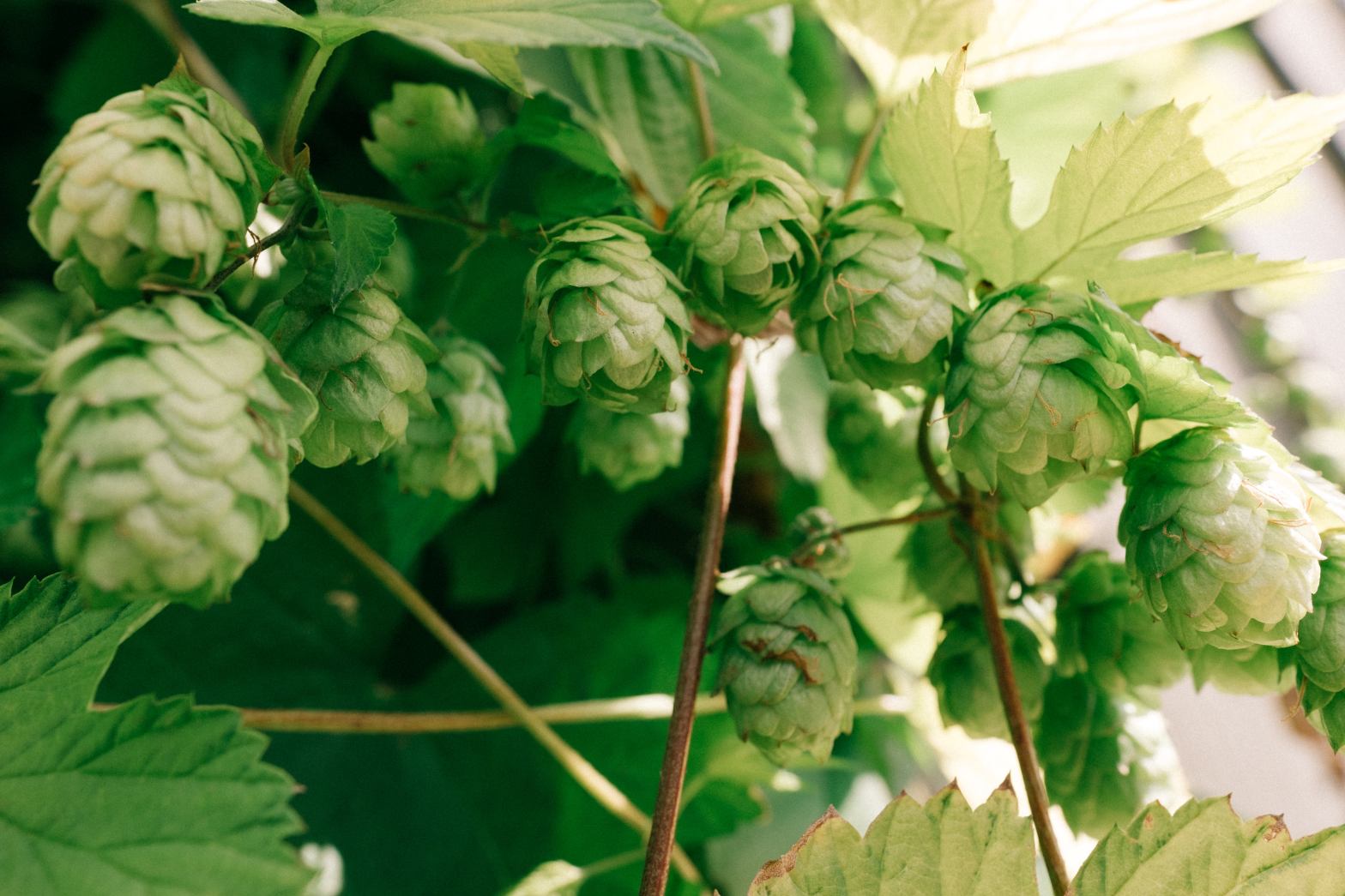
Hops are a key ingredient in the production of beer. They provide flavor, aroma, and bitterness to the beverage, making them essential to the brewing process. Many homebrewers and beer enthusiasts opt to grow their own hops to ensure they have the freshest and highest quality hops possible. Growing hops can be a rewarding experience, and it all starts with a rhizome.
In this article, we’ll take you through the process of growing hops, starting with a rhizome. We’ll discuss what a rhizome is, how to choose the right rhizome, planting, and caring for your hops as they grow.
What is a rhizome?
A rhizome is a horizontal stem that grows underground and sends out roots and shoots from its nodes. Hops are propagated from rhizomes, which are the underground stems of mature female plants. Rhizomes look like brown, root-like tendrils, and are usually between 2 and 4 inches long.
Choosing the right rhizome
When selecting a rhizome, it’s important to choose one that is healthy and disease-free. You can purchase hops rhizomes from nurseries or online retailers, and they are typically available in the spring.
Look for rhizomes that are firm and plump, with no signs of mold, mildew, or discoloration. The nodes should be visible, and the rhizome should have a few buds or sprouts. If possible, choose rhizomes that have been certified disease-free.
Planting your rhizome
Hops are a perennial plant that requires a lot of space and sunlight to thrive. Choose a location in your garden that receives at least six hours of direct sunlight each day. Hops prefer well-draining soil with a pH between 6.0 and 7.5. If your soil is too acidic, you can amend it with lime.
To plant your rhizome, dig a hole about 3 inches deep and 3 inches wide. Place the rhizome in the hole, with the buds facing up. Cover the rhizome with soil, and water it thoroughly.
As the hops grow, they will need support. You can install a trellis, fence, or poles for the hops to climb. Hops can grow up to 20 feet in a single season, so make sure your support structure is sturdy enough to handle their weight.
Caring for your hops
Once your hops have been planted, they will need regular care and maintenance to thrive. Here are some tips for caring for your hops:
Water:
Hops require regular watering, especially during the first few weeks after planting. Water your hops deeply once or twice a week, depending on your climate and soil conditions.
Fertilizer:
Hops are heavy feeders and require a lot of nutrients to grow. Fertilize your hops with a balanced fertilizer, such as a 10-10-10 or 20-20-20 formula, in early spring and mid-summer.
Pruning:
Hops grow quickly and can become unruly if left unpruned. Trim back any side shoots that appear below the first five to six nodes on the main stem. This will help the plant focus its energy on the top growth, where the flowers will develop.
Harvesting:
Hops are typically harvested in late summer or early fall, when the cones are fully mature. You’ll know the cones are ready to harvest when they feel dry and papery to the touch. To harvest, simply cut the cones from the plant and dry them in a warm, dry place.
Pests and Diseases:
Hops are susceptible to a few pests and diseases, including spider mites, aphids, and downy mildew. Inspect your plants regularly for signs of damage or disease, and treat any problems promptly. You can use organic pest control methods, such as insecticidal soap or neem oil, to control pests. If you notice signs of disease, such as yellowing leaves or wilting, remove the affected parts of the plant and treat with a fungicide.
Conclusion
Growing hops from a rhizome can be a fun and rewarding experience for homebrewers and beer enthusiasts. With proper care and maintenance, your hops plants can produce high-quality hops that you can use in your own beer recipes. When choosing a rhizome, look for one that is healthy and disease-free, and plant it in a location with plenty of sunlight and well-draining soil. Water and fertilize your hops regularly, prune them to keep them in check, and harvest the cones when they are fully mature. With a little patience and care, you can grow your own hops and take your homebrewing to the next level.
 Birdie & The Bees Farm