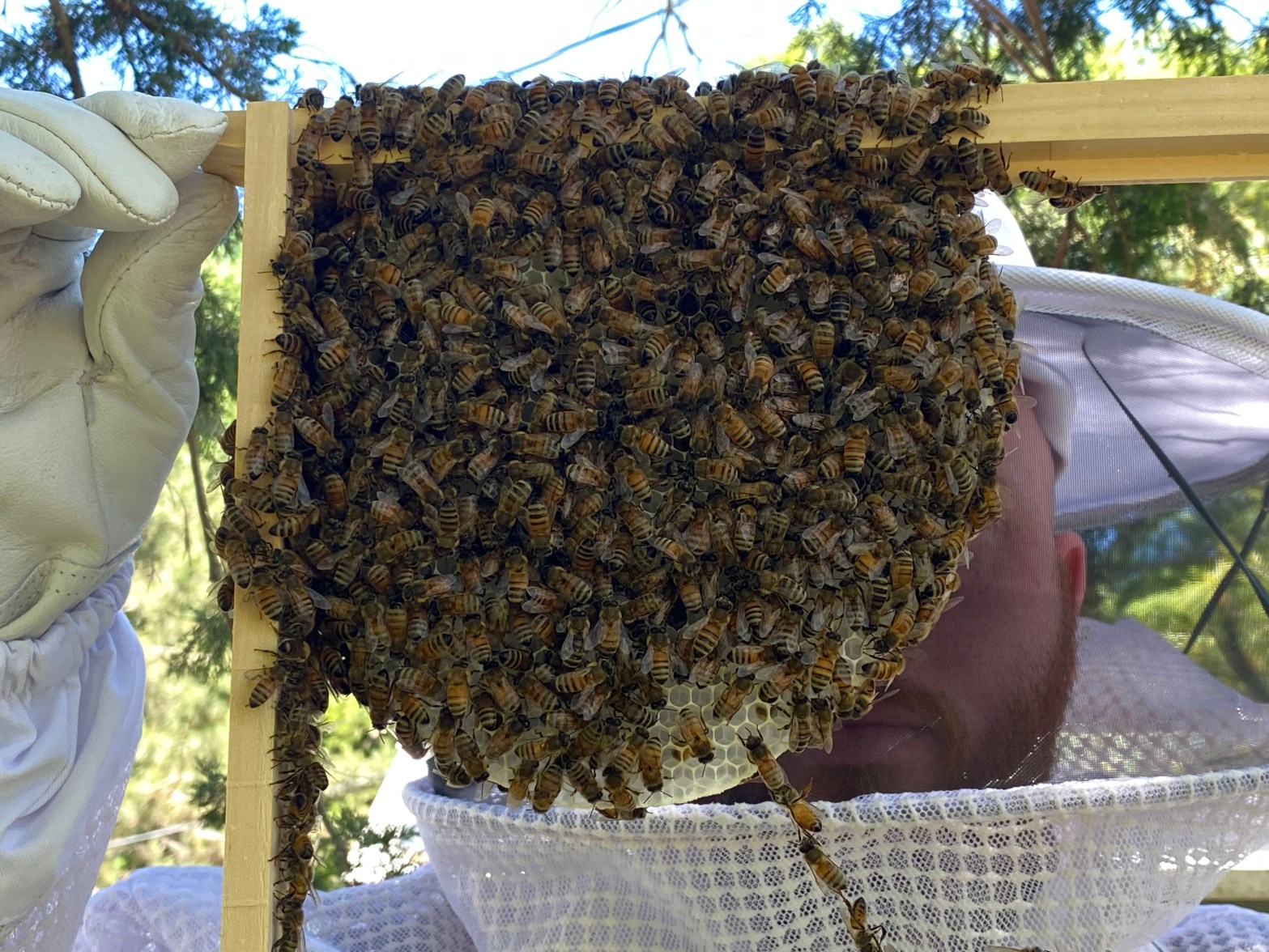
Welcome to the world of beekeeping! If you’re a beginner beekeeper or just starting out, one of the most exciting moments is when you get your first package of bees to install in your hive. Installing bees into a hive is a critical step in establishing a healthy colony and ensuring their successful integration into their new home. In this comprehensive guide, we will walk you through the step-by-step process of how to install a package of bees in a hive, so you can confidently start your beekeeping journey.
Before we dive into the details, it’s essential to gather all the necessary equipment and supplies beforehand. You will need:
- A bee suit: A protective suit that includes a jacket, veil, and pants to shield you from bee stings.
- Gloves: Protective gloves that are long enough to cover your wrists and hands.
- A smoker: A device used to produce smoke that helps calm the bees during the installation process.
- Hive tool: A versatile tool used to pry apart hive components, scrape off excess wax, and manipulate frames.
- Sugar syrup: A mixture of sugar and water that serves as food for the bees during the initial stages of establishing the colony.
- A spray bottle: To spray the bees with sugar syrup to calm them down.
- A package of bees: A box containing a queen and thousands of worker bees.
- A beehive: A properly assembled and prepared hive, including bottom board, hive body, frames, and cover.
Once you have gathered all the necessary equipment, follow these step-by-step instructions to install your package of bees in a hive:
Step 1: Choose a Suitable Location for the Hive Selecting the right location for your hive is crucial for the success of your bees. Bees need a sheltered spot that receives plenty of sunlight, is well-ventilated, and has access to water sources nearby. Avoid placing the hive in low-lying areas that may get flooded or in areas with high winds. Make sure the entrance of the hive faces south or east, so the bees can make the most of the warmth from the morning sun.
Step 2: Assemble and Prepare the Hive Before installing the bees, ensure that your hive is properly assembled and prepared. This includes placing the bottom board on a level and stable surface, followed by the hive body (also known as the brood box) on top of the bottom board. Make sure the frames are properly spaced and aligned in the hive body. If you are using foundationless frames, you can add a thin strip of beeswax along the top bar to guide the bees as they build their comb.
Step 3: Install the Queen The queen is the heart of the colony, and her presence is crucial for the bees to establish a healthy hive. First, locate the queen cage in the package of bees. The queen cage is a small cage usually hanging from the top of the package and has a separate compartment for the queen. Carefully remove the queen cage without letting the queen escape.
Inspect the queen cage to ensure that the queen is healthy and alive. She should be moving and surrounded by a small cluster of worker bees. If the queen appears dead or weak, contact your supplier immediately for a replacement.
Next, prepare the hive to receive the queen by creating a space for the queen cage. If your hive has a queen excluder, remove it for now. In the hive body, between two frames, create a gap by pushing the frames slightly apart with your hive tool. This gap should be large enough to fit the queen cage vertically, with the screen facing towards the bottom of the hive.
Carefully place the queen cage into the gap you created, ensuring that the screen faces down. The queen cage should be suspended between the frames, so that the worker bees can tend to the queen through the screen. Use pushpins or small nails to securely attach the queen cage to the frames to prevent it from falling.
Step 4: Install the Bees Now it’s time to introduce the worker bees to their new home. Open the package of bees and gently shake or pour them into the hive body, making sure they fall between the frames. Bees are naturally attracted to light, so you can use a gentle puff of smoke from the smoker to encourage them to move towards the frames.
Once the bees are in the hive, do not remove the package immediately. Leave it in the hive for a while to allow the remaining bees to leave the package and join their sisters in the hive. You can gently tap the package to encourage the bees to move out.
Step 5: Feed the Bees After installing the bees in the hive, it’s essential to provide them with food to help them establish their colony. Prepare a sugar syrup solution by mixing one part sugar with one part water. You can also add some essential oils or supplements to the sugar syrup to boost the bees’ immune system.
Using a spray bottle, lightly mist the bees with the sugar syrup. This will help calm them down and encourage them to start feeding on the syrup. Place a feeder or an inverted jar with holes in the hive’s inner cover to provide easy access to the sugar syrup for the bees.
Step 6: Close up the Hive Once the bees have settled in the hive and are actively feeding on the sugar syrup, it’s time to close up the hive. Replace the inner cover and the outer cover, ensuring that they are properly aligned and securely in place. Use your hive tool to seal any gaps or cracks that may allow drafts to enter the hive.
Step 7: Monitor and Maintain the Hive After installing the package of bees, it’s crucial to regularly monitor and maintain the hive to ensure the colony’s health and well-being. Check the hive at least once a week to ensure that the queen has been released from the queen cage and that the bees are building comb and storing food.
Inspect the frames for signs of brood (bee larvae), pollen, and honey. Look for any signs of disease or pests, such as mold, mites, or unusual odors. If you notice any issues, take appropriate measures to address them promptly.
Continue to provide sugar syrup to the bees until they have established a strong enough colony to forage for nectar and pollen on their own. Once the bees start bringing in their food, you can stop feeding them sugar syrup.
Regularly check and maintain the hive’s ventilation, ensuring that the hive has proper airflow to prevent moisture buildup, which can lead to mold and other issues.
Step 8: Be Mindful of Beekeeping Best Practices As a responsible beekeeper, it’s important to follow beekeeping best practices to ensure the health and well-being of your bees and to contribute to the overall health of the bee population. Here are some key best practices to keep in mind:
- Avoid the use of pesticides and chemicals in or around the hive, as they can harm bees and other beneficial insects.
- Provide a water source near the hive, such as a shallow dish with stones or floating cork for the bees to land on and drink from.
- Keep the hive clean and free from debris, dead bees, and excess wax to prevent disease and pests.
- Practice proper hygiene by washing your hands and tools before handling the bees or working in the hive to prevent the spread of diseases.
- Learn to identify common diseases and pests that affect bees and take appropriate measures to prevent or treat them.
- Educate yourself about local laws and regulations regarding beekeeping, including obtaining any necessary permits or licenses, and following any rules or guidelines set by your local beekeeping association or government.
- Attend beekeeping workshops or classes to continually improve your knowledge and skills in beekeeping.
- Practice swarm prevention techniques to avoid swarming, which can result in the loss of bees and a weakened colony.
- Be mindful of the surrounding environment and the impact of your beekeeping practices on other plants, animals, and neighbors.
- Keep records of your hive inspections, treatments, and observations to track the progress of your colony and identify any potential issues early on.
Conclusion
Installing a package of bees in a hive can be an exciting and rewarding experience for beekeepers. By following the steps outlined in this blog post and adhering to beekeeping best practices, you can help your bees establish a healthy and thriving colony.
Remember to always prioritize the health and well-being of your bees, and continually educate yourself about the latest research, techniques, and regulations in beekeeping. Bees play a crucial role in pollinating our food crops and supporting biodiversity, so responsible and sustainable beekeeping practices are essential for their survival and our ecosystem’s health.
Happy beekeeping, and may your hive thrive with buzzing activity and sweet honey!
 Birdie & The Bees Farm