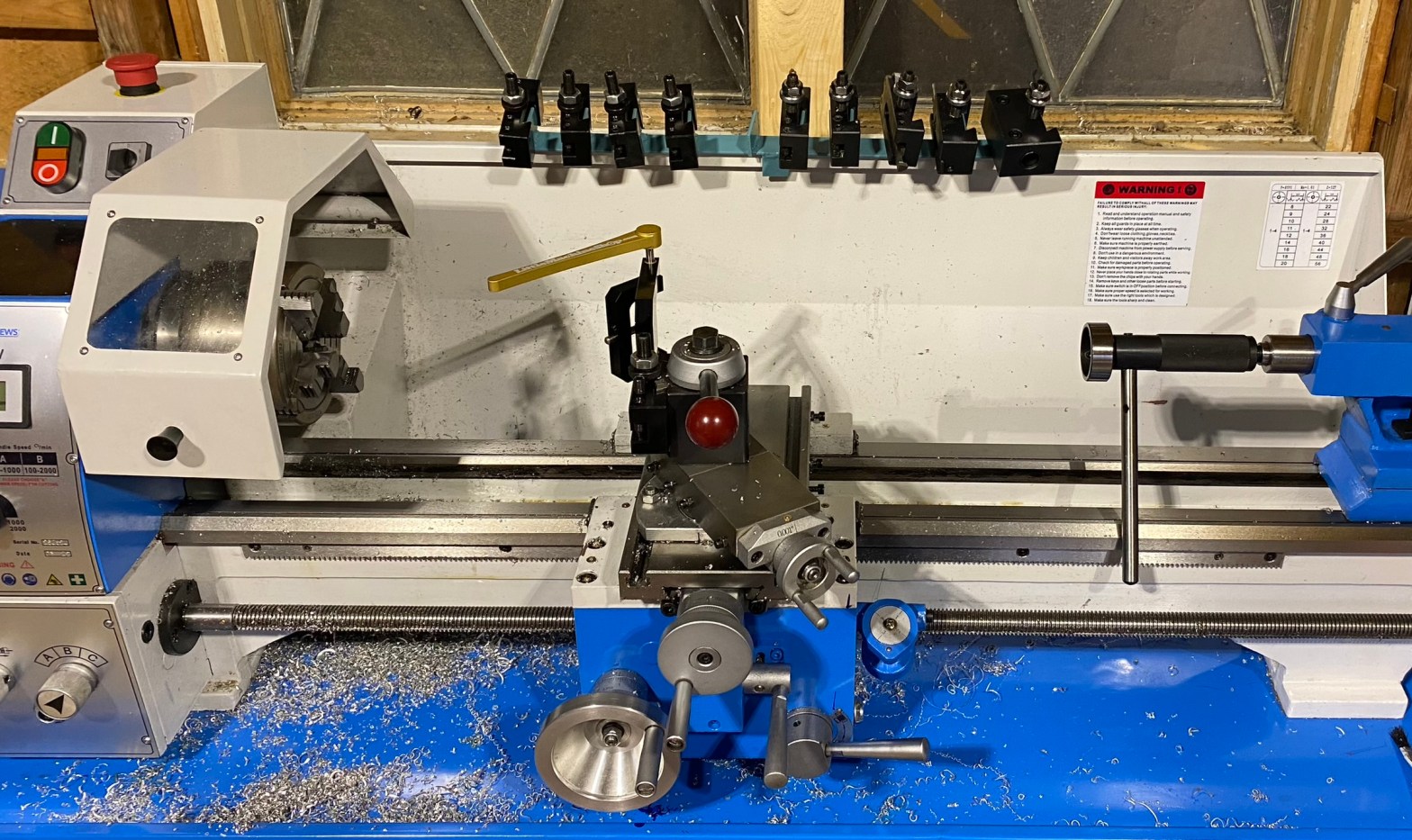
Farming is a demanding profession, and farmers must use a variety of tools and equipment to help them manage their operations. From tractors to plows to harvesters, these tools are essential to the success of any farming operation. However, as with any machinery, these tools require maintenance and repair from time to time.
This is where having a workshop on the farm comes in. A workshop is a dedicated space where farmers can repair and maintain their tools and equipment. Having a workshop on the farm can bring numerous benefits to farmers, including cost savings, increased efficiency, and improved safety. In this blog post, we will discuss the importance of farmers having a workshop to repair equipment and tools around the farm.
Cost Savings
One of the most significant benefits of having a workshop on the farm is the cost savings it can bring. Without a workshop, farmers would have to take their broken equipment to a repair shop or buy new equipment altogether. This can be expensive, especially for farmers who are operating on a tight budget.
By having a workshop on the farm, farmers can perform basic repairs and maintenance themselves. This can save a significant amount of money in the long run. For example, if a tractor needs a new oil filter or a spark plug, the farmer can replace these parts in the workshop for a fraction of the cost of taking the tractor to a repair shop.
Furthermore, having a workshop on the farm allows farmers to keep their equipment in good condition, which can extend the life of the equipment. By performing regular maintenance and repairs, farmers can avoid costly breakdowns and premature equipment failure. This can save thousands of dollars over time, making a workshop a worthwhile investment for any farming operation.
Increased Efficiency
Another benefit of having a workshop on the farm is increased efficiency. Farmers are often working against the clock, and any delay can have a significant impact on their operations. When equipment breaks down, it can cause significant downtime, which can lead to missed opportunities and reduced productivity.
By having a workshop on the farm, farmers can quickly repair their equipment and get back to work. This can save a significant amount of time and increase overall efficiency. For example, if a farmer’s plow breaks down in the middle of a field, they can quickly bring it back to the workshop, make the necessary repairs, and get back to work without losing valuable time.
Additionally, having a workshop on the farm allows farmers to customize their equipment to their specific needs. For example, a farmer may need to modify a plow to fit a specific field or crop. By having a workshop on the farm, they can make these modifications themselves, without having to rely on a third party.
Improved Safety
Farm equipment can be dangerous, and accidents can lead to serious injuries or even death. By having a workshop on the farm, farmers can ensure that their equipment is in good working condition, reducing the risk of accidents.
For example, if a farmer’s tractor has a faulty brake system, it could lead to a serious accident. By having a workshop on the farm, the farmer can quickly repair the brake system and ensure that the tractor is safe to use. Additionally, having a workshop allows farmers to perform safety checks on their equipment, ensuring that everything is in good condition before they start working.
Having a workshop on the farm can also help farmers identify potential hazards before they become serious problems. By inspecting their equipment regularly, farmers can identify worn or damaged parts and replace them before they fail. This can prevent accidents and improve overall safety on the farm.
Community Building
Finally, having a workshop on the farm can help build community among farmers. Farming can be a lonely profession, and having a space where farmers can come together to work on their equipment can provide a sense of camaraderie and support.
In addition, having a workshop on the farm can also create opportunities for knowledge sharing and learning. Farmers can share their expertise and experiences with each other, and learn new skills from one another. This can help build a stronger, more knowledgeable farming community, which can ultimately benefit everyone involved.
Furthermore, having a workshop on the farm can provide opportunities for apprenticeships and mentorships. Young people who are interested in farming can learn valuable skills by working alongside experienced farmers in the workshop. This can help ensure that the next generation of farmers is well-trained and equipped to manage their own farming operations in the future.
Conclusion
In conclusion, having a workshop on the farm is an essential component of any successful farming operation. It can bring numerous benefits, including cost savings, increased efficiency, improved safety, and community building. By having a dedicated space where farmers can repair and maintain their tools and equipment, they can ensure that their farming operations run smoothly, efficiently, and safely.
Investing in a workshop may require some initial investment, but the benefits far outweigh the costs. Not only can it save money in the long run by reducing the need for expensive repairs and replacements, but it can also improve productivity, reduce downtime, and enhance the overall quality of work.
Therefore, if you are a farmer, consider investing in a workshop on your farm. It could be one of the best decisions you make for the success and sustainability of your farming operation.
 Birdie & The Bees Farm