Agricultural lands have been subjected to intensive management practices, such as crop monoculture, intensive grazing, and use of pesticides and fertilizers. These practices have led to a decline in biodiversity and soil health, as well as decreased resilience to climate change. Rewilding agricultural lands is an emerging approach that seeks to restore degraded ecosystems, promote biodiversity, and enhance ecosystem services. In this blog post, we will discuss the importance of rewilding areas on a farm, the benefits it can provide, and the challenges that farmers may face in implementing rewilding practices.
What is rewilding?
Rewilding refers to the restoration of natural ecological processes and biodiversity by reintroducing native species, removing invasive species, and allowing natural processes to occur. Rewilding seeks to restore degraded ecosystems to their natural state, and enhance their resilience to environmental stressors such as climate change. Rewilding can be applied to different types of landscapes, including agricultural lands, urban areas, and protected areas.
Why rewild agricultural lands?
Agricultural lands cover a large proportion of the Earth’s surface, and they are essential for food production and rural livelihoods. However, intensive agricultural practices have led to the loss of biodiversity, soil erosion, and water pollution, among other negative impacts. Rewilding agricultural lands can help to restore degraded ecosystems, promote biodiversity, and enhance ecosystem services. Here are some of the benefits of rewilding agricultural lands:
- Biodiversity conservation: Rewilding agricultural lands can help to conserve biodiversity by restoring habitats for native plant and animal species. By reintroducing native species, removing invasive species, and allowing natural processes to occur, rewilding can promote the recovery of ecosystems and the species that depend on them.
- Soil health: Intensive agricultural practices can lead to soil degradation, erosion, and loss of soil fertility. Rewilding can help to restore soil health by promoting soil organic matter, improving soil structure and water-holding capacity, and reducing soil erosion.
- Climate change resilience: Rewilding agricultural lands can enhance the resilience of ecosystems to climate change by restoring natural ecological processes, promoting biodiversity, and increasing carbon sequestration. By restoring natural vegetation cover and promoting soil health, rewilding can help to reduce greenhouse gas emissions and enhance carbon storage in soils.
- Water quality: Intensive agricultural practices can lead to water pollution by increasing the use of fertilizers and pesticides, and by promoting soil erosion. Rewilding agricultural lands can help to improve water quality by reducing the use of chemicals and promoting natural water filtration processes.
- Ecotourism: Rewilding agricultural lands can create new opportunities for ecotourism by promoting the recovery of ecosystems and the species that depend on them. Ecotourism can provide economic benefits for farmers and local communities, while also promoting conservation and sustainable land use practices.
Challenges of rewilding agricultural lands
While rewilding agricultural lands can provide many benefits, it also presents some challenges for farmers. Here are some of the challenges that farmers may face in implementing rewilding practices:
- Financial constraints: Rewilding agricultural lands may require upfront investments in new infrastructure, such as fencing, water sources, and wildlife corridors. These investments may be challenging for farmers who are already facing financial constraints.
- Land use conflicts: Rewilding agricultural lands may lead to conflicts with neighboring landowners who have different land use objectives, such as grazing livestock or cultivating crops. These conflicts may require negotiation and collaboration with neighboring landowners.
- Regulatory barriers: Rewilding agricultural lands may face regulatory barriers, such as zoning restrictions or environmental regulations that limit the use of certain lands. These barriers may require farmers to seek permits or exemptions from regulatory agencies.
- Lack of technical expertise: Rewilding agricultural lands may require technical expertise in ecology, restoration, and wildlife management. Farmers may need to seek assistance from ecologists, conservation organizations, or government agencies to design and implement rewilding practices.
- Market barriers: Rewilding agricultural lands may not always generate immediate economic returns, and farmers may face market barriers to selling ecosystem services or ecotourism products. This may require new market development efforts or partnerships with conservation organizations or tourism operators.
Overcoming these challenges will require collaboration between farmers, conservation organizations, government agencies, and other stakeholders. It will also require innovative approaches to financing, marketing, and technical support.
Examples of rewilding in agriculture
There are several examples of rewilding agricultural lands around the world. Here are some notable examples:
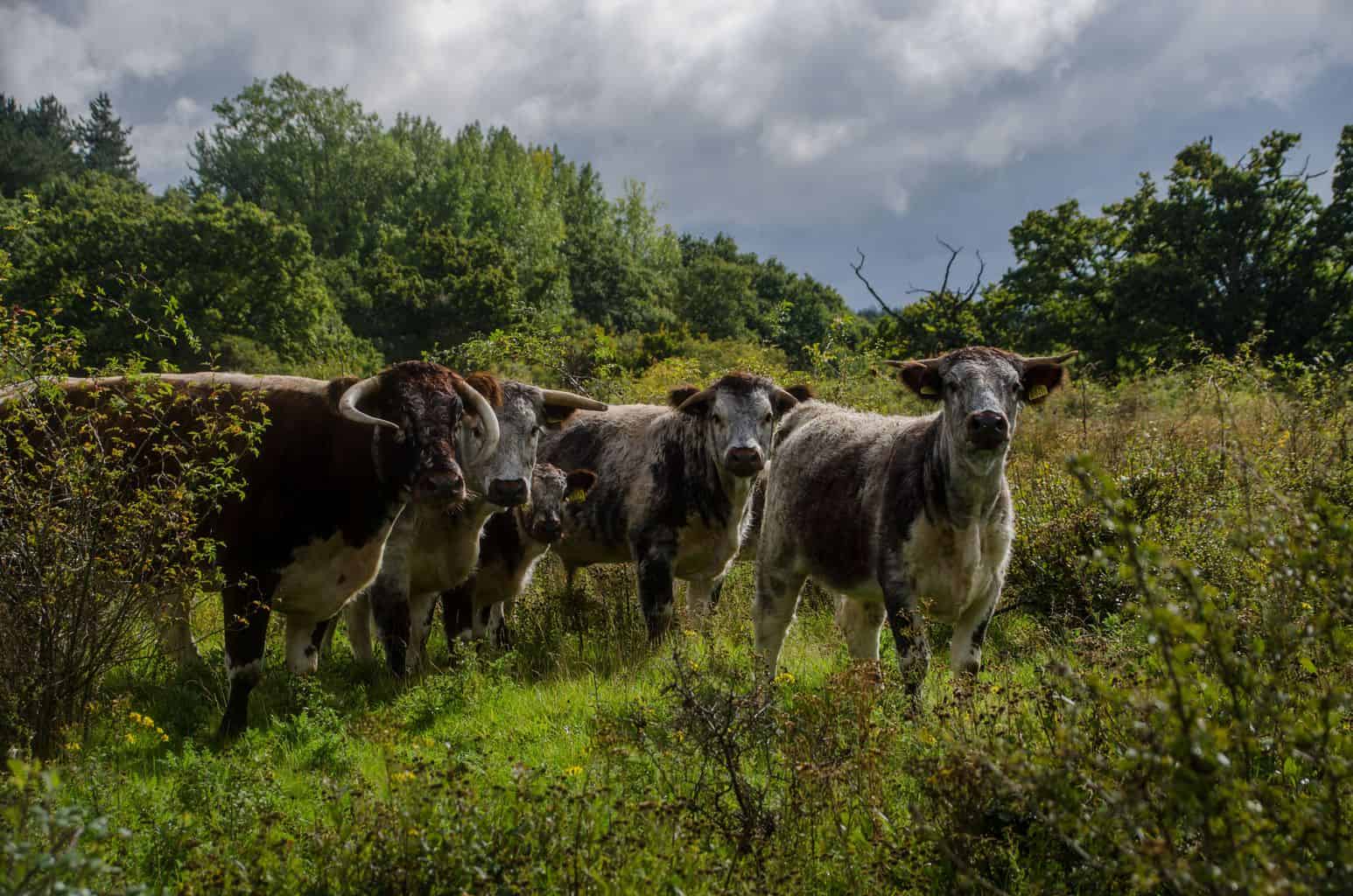
- Knepp Estate, UK: Knepp Estate is a 3,500-acre farm in West Sussex, UK, that has been rewilded since 2001. The farm has reintroduced large herbivores, such as red deer, longhorn cattle, and Tamworth pigs, and allowed natural vegetation to grow. Knepp Estate has become a hotspot for biodiversity, with over 1,000 species of plants and animals recorded on the farm.
- Dehesa de la Sabina, Spain: Dehesa de la Sabina is a 1,400-acre farm in the Extremadura region of Spain that has been rewilded since 2004. The farm has reintroduced the Iberian lynx, the imperial eagle, and other native species, and has allowed natural vegetation to grow. Dehesa de la Sabina has become a model for sustainable agriculture and wildlife conservation in Spain.
- Tipton-Haynes Farm, USA: Tipton-Haynes Farm is a 45-acre farm in Tennessee, USA, that has been rewilded since 2013. The farm has reintroduced native grasses and wildflowers, and has established wildlife habitat areas for birds and pollinators. Tipton-Haynes Farm has become a popular destination for ecotourism, hosting events and educational programs for visitors.
Rewilding agricultural lands is an emerging approach that seeks to restore degraded ecosystems, promote biodiversity, and enhance ecosystem services. By reintroducing native species, removing invasive species, and allowing natural processes to occur, rewilding can help to restore degraded ecosystems and enhance their resilience to environmental stressors such as climate change. While rewilding agricultural lands presents some challenges for farmers, such as financial constraints, land use conflicts, and regulatory barriers, there are also many opportunities for collaboration, innovation, and partnership between farmers, conservation organizations, and government agencies. Examples of rewilding in agriculture around the world, such as Knepp Estate, Dehesa de la Sabina, and Tipton-Haynes Farm, demonstrate the potential for rewilding to create sustainable and resilient agricultural systems that benefit both people and the environment.
 Birdie & The Bees Farm