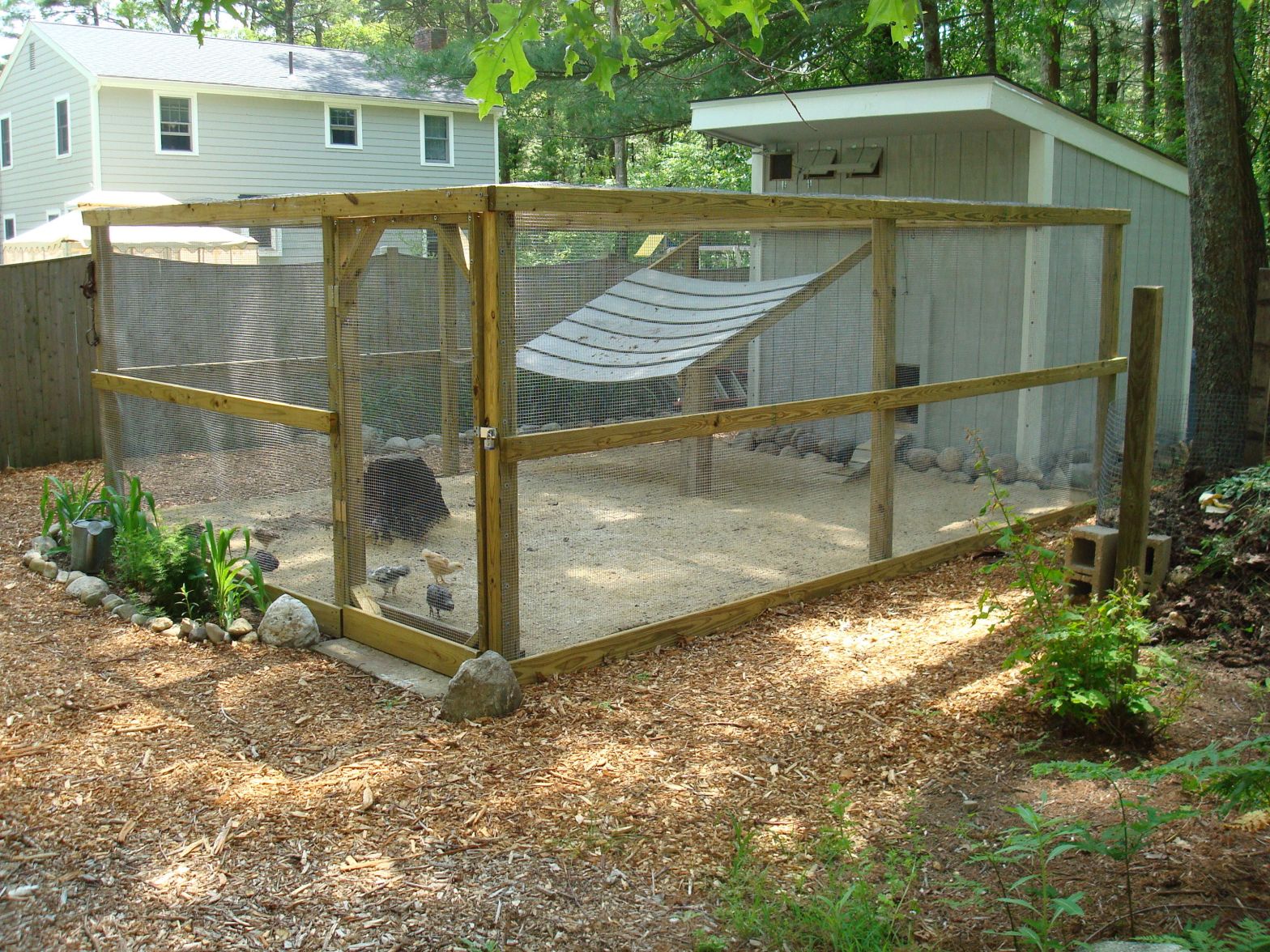
Keeping chickens is a popular hobby for many people, and for good reason. Chickens are fun and entertaining animals, and they provide fresh eggs and meat for your family. However, if you’re planning on keeping chickens in your backyard, it’s important to provide them with a safe and secure space to live. An enclosed chicken run is an ideal way to keep your chickens safe from predators while still giving them the freedom to roam and scratch around. In this article, we’ll go over the steps involved in building an enclosed chicken run.
Step 1: Plan Your Chicken Run
The first step in building an enclosed chicken run is to plan out your design. This will involve taking into consideration the number of chickens you plan on keeping, the size of your backyard, and your budget. You will also need to decide on the location of your chicken run, making sure that it is in a shaded area that is easily accessible.
When planning your chicken run, make sure that it is large enough for your chickens to move around comfortably. The minimum recommended size for a chicken run is 10 square feet per chicken, although larger is always better. Your chicken run should be at least six feet tall to prevent your chickens from flying out.
Step 2: Purchase Materials
Once you have a plan for your chicken run, the next step is to purchase the materials you will need. You will need to buy lumber, hardware cloth, hinges, and locks, as well as any other materials you may need for your specific design. You can purchase these materials at your local hardware store or online.
Step 3: Build the Frame
The next step is to build the frame of your chicken run. Start by measuring and cutting your lumber to the appropriate size. You will need to construct the frame using 2x4s, making sure to use pressure-treated lumber that is resistant to rot and decay.
Once you have cut your lumber to size, it’s time to start assembling the frame. Use screws or nails to attach the pieces together, making sure that the corners are square. You can also reinforce the corners with metal brackets for added strength.
Step 4: Install Hardware Cloth
The next step is to install hardware cloth over the frame of your chicken run. Hardware cloth is a type of wire mesh that is strong and durable, making it ideal for keeping predators out. You will need to staple the hardware cloth to the frame of your chicken run, making sure to overlap the edges for added strength.
It’s important to make sure that there are no gaps in your hardware cloth, as predators can easily slip through even the smallest opening. You should also bury the hardware cloth at least a foot into the ground to prevent predators from digging under the fence.
Step 5: Add Doors and Windows
Once you have installed the hardware cloth, the next step is to add doors and windows to your chicken run. You will need to install at least one door to allow access to your chickens, as well as any windows you may want to include for ventilation.
When installing doors, make sure to use strong hinges and locks to prevent predators from gaining access to your chicken run. You should also make sure that your door is large enough to allow you to easily enter and exit the chicken run.
Step 6: Add a Roof
The final step in building an enclosed chicken run is to add a roof. A roof will protect your chickens from the elements and provide shade during hot weather. You can use corrugated metal or shingles to construct your roof, depending on your preference.
When constructing your roof, make sure that it is sloped to allow rainwater to run off. You should also reinforce the roof with additional lumber to prevent it from collapsing under heavy snow or wind.
Conclusion
Building an enclosed chicken run is a great way to provide your chickens with a safe and secure environment. It’s a relatively simple project that can be completed over a weekend, and it will provide your chickens with a space to move around and scratch while also keeping them safe from predators.
When planning and building your chicken run, make sure to take into consideration the needs of your chickens. Chickens need space to move around, scratch, and dust bathe, so make sure that your chicken run is large enough to accommodate their needs.
It’s also important to choose the right location for your chicken run. Ideally, your chicken run should be in a shaded area that is easily accessible for you to check on your chickens and collect eggs. You should also make sure that your chicken run is located away from any potential predators, such as raccoons or foxes.
When it comes to materials, hardware cloth is the best option for constructing your chicken run. It’s strong and durable, and it will keep predators out while still allowing for adequate ventilation. Pressure-treated lumber is also a good choice, as it will resist rot and decay and last for many years.
In terms of size, the minimum recommended size for a chicken run is 10 square feet per chicken, although larger is always better. You should also make sure that your chicken run is at least six feet tall to prevent your chickens from flying out.
When it comes to doors and windows, make sure that they are secure and can be easily opened and closed. Strong hinges and locks will prevent predators from gaining access to your chicken run, while windows will provide much-needed ventilation.
Finally, make sure to add a roof to your chicken run to provide shade and protect your chickens from the elements. A sloped roof will allow rainwater to run off, while additional reinforcement will prevent the roof from collapsing under heavy snow or wind.
In conclusion, building an enclosed chicken run is a simple and rewarding project that will provide your chickens with a safe and secure environment to live in. By following these steps and taking into consideration the needs of your chickens, you can create a space that both you and your chickens will enjoy.
 Birdie & The Bees Farm