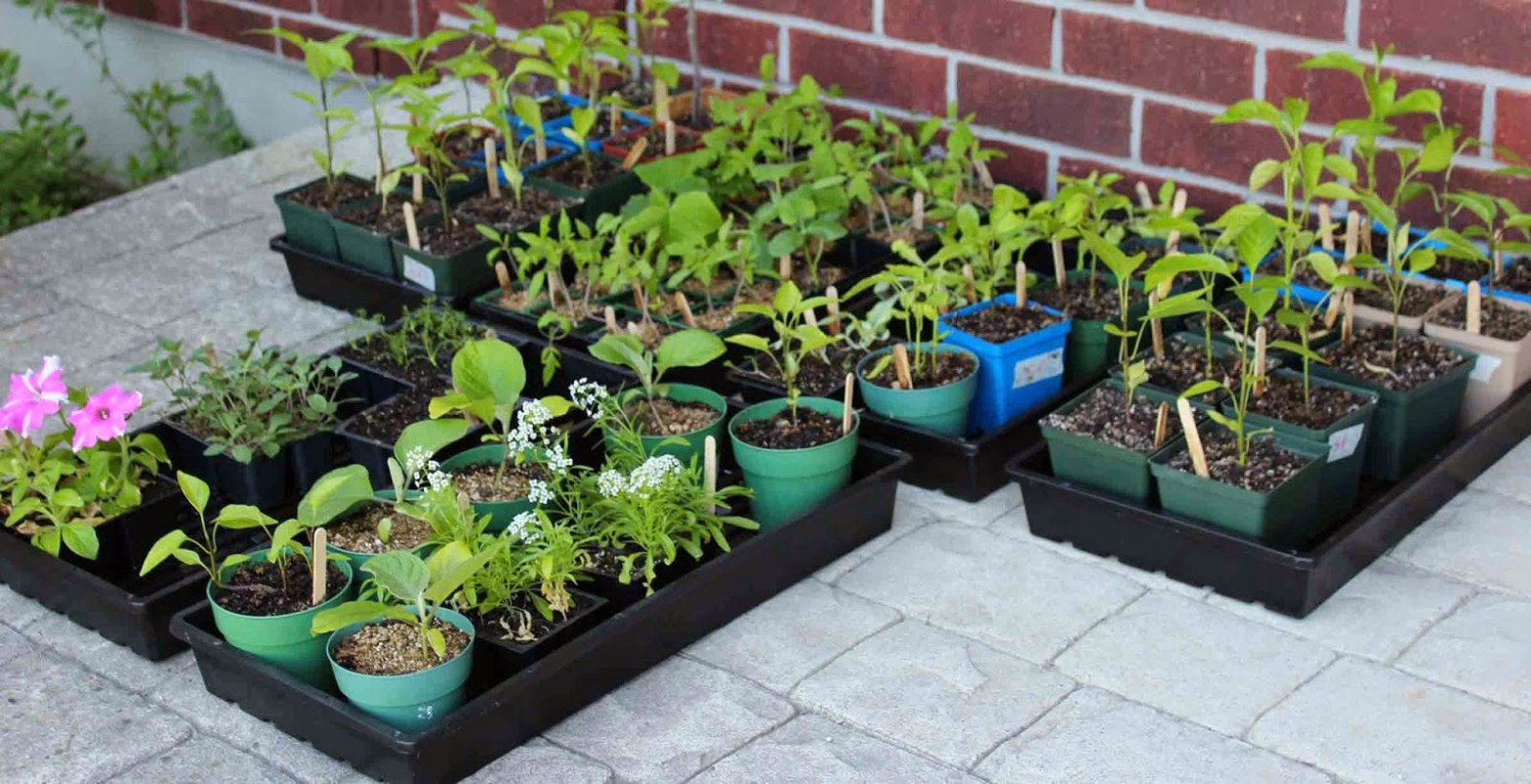
Gardening enthusiasts eagerly await the moment when they can transplant their young seedlings into the outdoor garden. However, directly moving fragile plants from the sheltered environment of an indoor nursery to the harsh outdoor conditions can be detrimental to their health and growth. This is where the process of hardening off plants plays a crucial role. Hardening off gradually acclimatizes young plants to the outdoor environment, enabling them to thrive in the face of changing temperatures, sunlight, and wind. In this comprehensive guide, we will explore the steps and best practices for hardening off plants, ensuring a successful transition and healthy growth.
- Understanding the Concept of Hardening Off: Before diving into the process, it is essential to understand the science behind hardening off. Indoor seedlings are accustomed to a controlled environment, sheltered from direct sunlight, wind, and fluctuating temperatures. Hardening off gradually introduces these plants to the harsher outdoor conditions, strengthening their stems, thickening their leaves, and preparing them for the challenges they will face outside.
- Determining the Ideal Time for Hardening Off: Timing is crucial when it comes to hardening off plants. The process should typically commence about 7 to 10 days before the planned transplant date, when the risk of frost has significantly diminished. However, it’s important to consider the specific requirements of each plant species, as some may have different hardening off periods. Consulting seed packets or reliable gardening resources can provide valuable information about the ideal timing for each plant variety.
- Gradual Exposure to Outdoor Conditions: The key principle of hardening off is to gradually expose the plants to outdoor conditions, allowing them to adapt without experiencing shock. Start by placing the plants outdoors in a sheltered, shaded area for a few hours each day. Over the course of a week, gradually increase the duration and intensity of exposure, exposing them to more sunlight and wind.
- Monitoring Temperature and Protecting from Frost: As the plants are exposed to outdoor conditions, it is important to keep a close eye on the weather. Frost can be detrimental to young plants, so it is crucial to bring them indoors or cover them with a protective cloth during nights when the temperature drops close to freezing. Gradually expose them to lower temperatures over time, helping them build resilience.
- Adjusting Watering and Fertilizing Practices: During the hardening off process, adjust watering and fertilizing practices to promote sturdy growth. Gradually reduce the frequency of watering, allowing the plants to develop stronger root systems and become more resilient to drought conditions. Fertilize plants sparingly, using a balanced organic fertilizer, as excessive nutrients can make plants more susceptible to stress during the transition.
- Protecting from Pests and Diseases: As the plants transition to the outdoor environment, they become vulnerable to pests and diseases. Regularly inspect the plants for signs of pest infestation or disease and take appropriate measures to mitigate the risks. Utilize organic pest control methods whenever possible to protect the overall health of the plants and the environment.
- Preparing for the Final Transplant: Once the plants have undergone the hardening off process and are fully acclimated to outdoor conditions, they are ready for the final transplant. Prepare the soil in the garden bed by loosening it and adding organic matter for improved drainage and nutrient availability. Carefully transplant the hardened-off plants, ensuring they are adequately watered and protected from extreme weather conditions during their establishment period.
- Post-Transplant Care: After the plants have been transplanted into the garden, continue to provide them with care and attention. Water them regularly, especially during dry spells, ensuring the soil remains consistently moist but not waterlogged. Mulching around the plants can help conserve moisture and suppress weed growth. Monitor for any signs of stress or nutrient deficiencies and address them promptly.
- Maintaining Hardiness: The hardening off process doesn’t end with the transplant. To maintain the hardiness of the plants, gradually reduce the level of care and protection provided. This allows them to further strengthen and adapt to the outdoor conditions. Gradually reduce watering frequency, wean them off supplemental fertilizers, and gradually expose them to direct sunlight for longer durations.
- Learning from Experience: Each gardening season provides an opportunity to learn and refine your hardening off process. Pay attention to the specific needs and responses of different plant species and take notes on what worked well and what could be improved. This experiential knowledge will help you become a more proficient gardener in the long run.
Hardening off plants is a critical step in the gardening journey that ensures the successful transition of fragile seedlings to the outdoor environment. By gradually exposing them to changing conditions, you can help your plants develop resilience, withstand environmental challenges, and thrive in the garden. With patience, observation, and proper care, your plants will reward you with healthy growth and bountiful harvests. Embrace the process of hardening off, and watch your garden flourish!
 Birdie & The Bees Farm