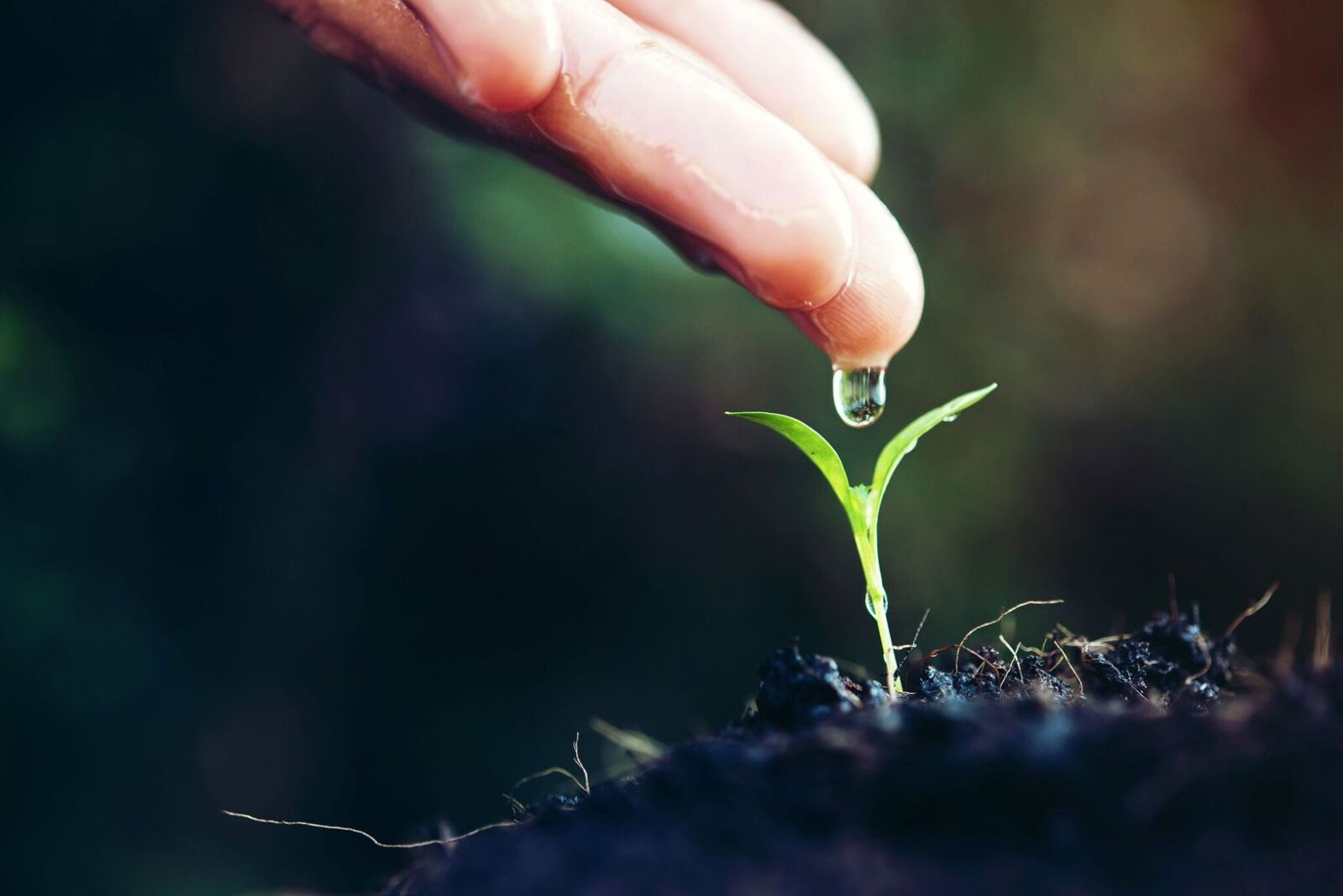
The global agricultural landscape is evolving rapidly, driven by the urgent need for sustainable and efficient farming practices. No-till regenerative farming has emerged as a promising solution that fosters soil health, biodiversity, and long-term productivity. By minimizing soil disturbance, maximizing organic matter, and embracing ecological principles, farmers can design highly efficient systems that provide abundant yields while minimizing environmental impact. In this blog post, we will explore the key principles and practical strategies for designing a no-till regenerative farm for maximum efficiency.
- Understanding No-Till Regenerative Farming:
No-till farming is a practice that avoids traditional plowing or tilling methods, which disrupt soil structure and deplete organic matter. Instead, it involves retaining crop residues on the field and using specialized equipment to create minimal soil disturbance during planting. By leaving the soil undisturbed, it promotes beneficial microbial activity, enhances water infiltration, and reduces erosion. Regenerative farming takes this a step further by focusing on improving soil health, increasing biodiversity, and restoring natural ecological processes.
- Soil Health as the Foundation:
Designing an efficient no-till regenerative farm begins with prioritizing soil health. Conducting a thorough soil analysis is essential to determine nutrient content, pH levels, and any potential deficiencies. Building organic matter through cover cropping, composting, and the use of organic amendments will improve soil structure, moisture retention, and nutrient availability. The incorporation of diverse cover crops can break up compaction, fix nitrogen, and suppress weeds. Integrating livestock, such as rotational grazing, can also contribute to soil health by adding organic matter through manure and promoting nutrient cycling.
- Crop Rotation and Diversification:
Implementing a well-planned crop rotation system is crucial in a no-till regenerative farm. Rotating crops annually helps prevent disease and pest buildup, reduces weed pressure, and enhances soil fertility. A diverse crop rotation scheme can include cash crops, cover crops, and legumes that fix atmospheric nitrogen. Legumes not only enrich the soil with nitrogen but also provide a valuable protein source for livestock if integrated into the system. By diversifying crops, farmers can maximize efficiency by utilizing different rooting depths, nutrient requirements, and growth patterns, thereby reducing the risk of yield losses due to unfavorable weather conditions.
- Precision Technology and Equipment:
Modern precision technology plays a significant role in designing an efficient no-till regenerative farm. Utilizing GPS-guided machinery, such as precision planters and seeders, ensures accurate seed placement, spacing, and depth, optimizing germination rates and minimizing seed waste. Additionally, remote sensing tools, such as drones and satellite imagery, can provide valuable insights into crop health, nutrient deficiencies, and pest management, allowing farmers to make informed decisions and apply targeted interventions when necessary.
- Water Management:
Efficient water management is essential for maximizing productivity in a no-till regenerative farm. Conservation techniques such as contour plowing, terracing, and the use of cover crops help retain soil moisture and prevent runoff. Implementing drip irrigation or other precision irrigation methods reduces water waste by delivering water directly to the plant roots. Furthermore, monitoring soil moisture levels through moisture sensors allows farmers to optimize irrigation schedules, ensuring crops receive the right amount of water at the right time.
- Integration of Livestock and Agroforestry:
Integrating livestock into a no-till regenerative farm system can greatly enhance efficiency and sustainability. By implementing rotational grazing, where livestock are moved periodically to different pastures, farmers can optimize forage utilization, reduce weed pressure, and enhance nutrient cycling through manure deposition. Agroforestry practices, such as planting trees or perennial crops within the farm, provide additional benefits by creating microclimates, improving biodiversity, and offering potential income streams through timber or fruit production.
- Biological Pest and Weed Control:
In a no-till regenerative farm, chemical inputs should be minimized or eliminated altogether. Instead, farmers can employ biological pest and weed control methods to maintain a balanced ecosystem. Beneficial insects, such as ladybugs and lacewings, can be encouraged through habitat creation and the use of cover crops that attract them. Introducing predatory nematodes or beneficial fungi can help control soil-borne pests. Implementing effective crop rotation and diversification practices also disrupts pest and weed life cycles, reducing their impact on the farm.
- Continuous Monitoring and Adaptation:
Designing an efficient no-till regenerative farm requires ongoing monitoring and adaptation. Regular soil testing and analysis will ensure the nutrient levels remain balanced, allowing for timely amendments if needed. Monitoring crop health through remote sensing tools, visual inspections, and disease scouting will enable early detection and intervention, preventing potential yield losses. Keeping detailed records of inputs, yields, and observations helps farmers make data-driven decisions and fine-tune their farming practices over time.
- Community Engagement and Education:
Building a strong community around the no-till regenerative farm can enhance its efficiency and impact. Sharing knowledge, experiences, and resources with neighboring farmers, participating in local agricultural organizations, and hosting farm tours or workshops can foster collaboration and accelerate the adoption of sustainable farming practices. Additionally, educating consumers about the benefits of regenerative farming and the importance of supporting such initiatives can create market demand and build a sustainable customer base.
- Monitoring and Celebrating Success:
Finally, it is essential to monitor and celebrate the successes achieved through the design and implementation of a no-till regenerative farm. Tracking key performance indicators, such as soil organic matter content, biodiversity metrics, water use efficiency, and economic viability, helps measure the farm’s progress and identify areas for improvement. Celebrating milestones and sharing success stories not only motivates the farmer but also inspires others to embark on their regenerative farming journey.
Designing a no-till regenerative farm for maximum efficiency requires a holistic approach that prioritizes soil health, biodiversity, and ecological principles. By embracing practices such as crop rotation, precision technology, water management, and biological pest control, farmers can achieve abundant yields while preserving the environment for future generations. Continuous monitoring, adaptation, community engagement, and celebrating successes are essential components of a successful regenerative farming journey. By embracing these principles, farmers can play a vital role in cultivating a sustainable future and contributing to the global movement towards regenerative agriculture.
 Birdie & The Bees Farm