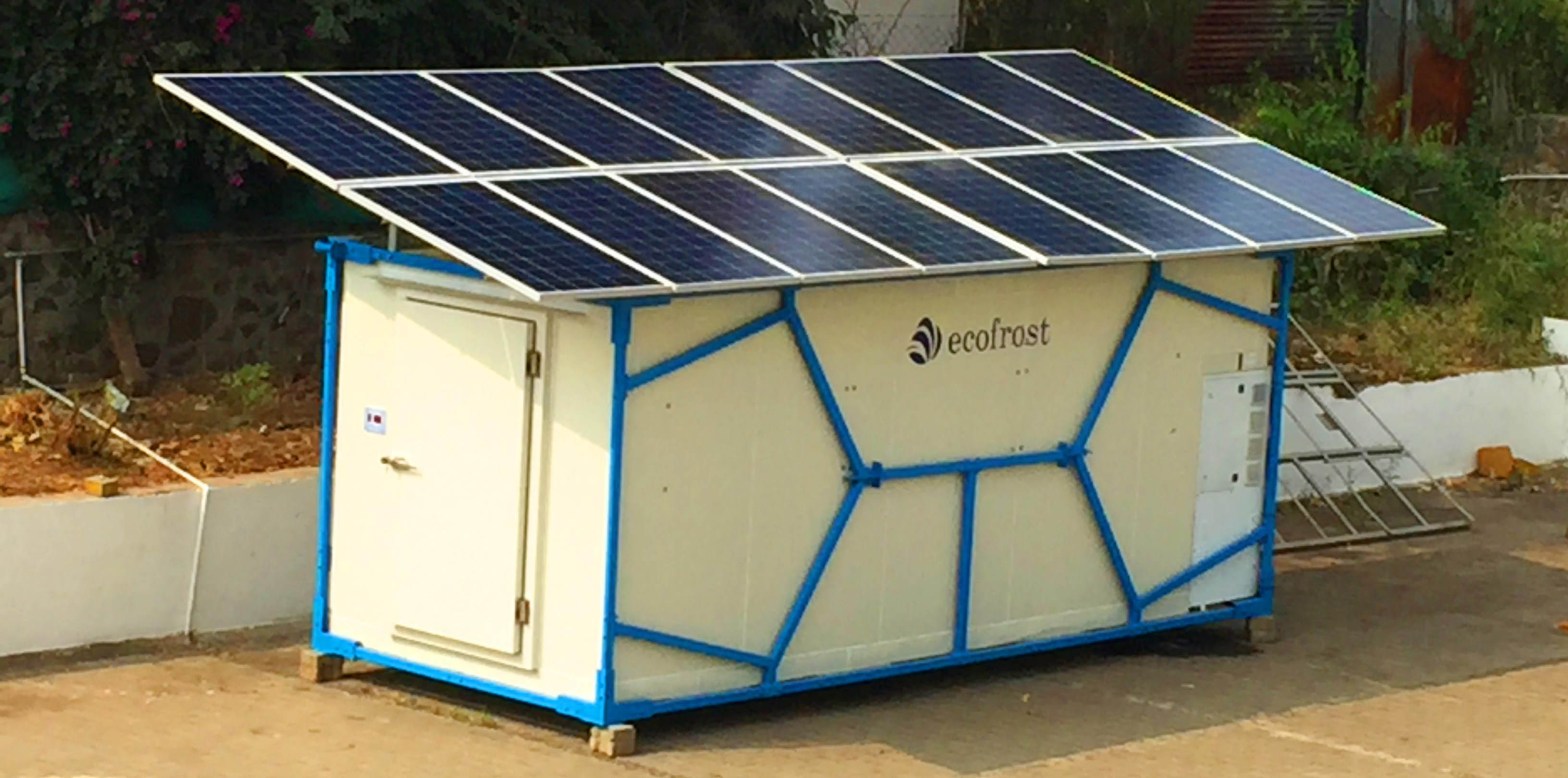
As the demand for fresh, locally sourced produce continues to rise, efficient and sustainable cold storage solutions play a crucial role in maintaining the quality and longevity of farm products. Cold storage facilities on farms are essential for preserving the freshness of fruits, vegetables, dairy products, and meats, enabling farmers to extend the shelf life of their harvests and meet market demands throughout the year. In this blog post, we will delve into the importance of cold storage on the farm, explore various cold storage methods, discuss key considerations for implementing these systems, and highlight their benefits for farmers and consumers alike.
I. The Importance of Cold Storage on the Farm:
- Preserving Freshness: The primary purpose of cold storage on the farm is to maintain the freshness and nutritional value of agricultural products. Rapid cooling of harvested produce slows down the rate of spoilage, inhibits the growth of bacteria, and preserves the texture, color, and taste of perishable items. By preventing spoilage, farmers can reduce waste and deliver high-quality products to consumers.
- Extending Shelf Life: Cold storage enables farmers to store surplus produce during peak seasons and gradually release it into the market during periods of low supply. This practice helps to stabilize prices and ensures a consistent supply of fresh produce throughout the year, even when growing conditions are unfavorable or when demand exceeds seasonal availability.
- Meeting Market Demands: With the increasing demand for local and organic produce, cold storage on the farm allows farmers to diversify their offerings. By storing and selling off-season crops, they can cater to a broader range of consumer preferences and capture additional market opportunities.
II. Various Cold Storage Methods:
- Refrigeration Units: Refrigeration units are the most common form of cold storage on farms. These units use a compressor, condenser, and evaporator to cool and maintain the temperature within a controlled environment. They are available in various sizes, from walk-in coolers to large-scale refrigerated warehouses, depending on the farm’s needs and produce volume.
- Root Cellars: Root cellars have been used for centuries as a low-tech and energy-efficient cold storage solution. Typically built underground, these structures take advantage of the earth’s natural insulation to maintain cool temperatures throughout the year. Root cellars are particularly suitable for storing root vegetables, such as potatoes, carrots, and onions, as well as apples and other fruits.
- Cold Rooms: Cold rooms are versatile and scalable cold storage options that can be customized to suit specific farm requirements. These insulated rooms are equipped with cooling systems to maintain precise temperature and humidity levels. They are often used to store large quantities of produce, dairy products, and meat.
- Controlled Atmosphere Storage: Controlled atmosphere storage involves modifying the composition of the air surrounding stored produce to slow down the ripening process. By reducing oxygen levels and increasing carbon dioxide levels, farmers can extend the shelf life of fruits, vegetables, and certain grains. This method requires specialized equipment and careful monitoring to maintain optimal conditions.
III. Implementing Cold Storage on the Farm:
- Planning and Design: Before implementing a cold storage system, farmers should assess their storage needs based on the volume and type of produce they handle. Factors to consider include anticipated storage capacity, accessibility, energy requirements, and cost considerations. Consulting with experts or agricultural extension services can provide valuable guidance during the planning and design phase.
- Energy Efficiency: Energy costs can significantly impact the overall operational expenses of cold storage facilities. Implementing energy-efficient practices, such as proper insulation, using energy-efficient equipment, and optimizing temperature settings, can help reduce electricity consumption and lower costs while minimizing the environmental footprint.
- Temperature and Humidity Control: Maintaining the appropriate temperature and humidity levels within the cold storage facility is crucial for preserving the quality and freshness of the stored produce. Regular monitoring and control systems should be in place to ensure that the desired conditions are maintained consistently. This may involve the use of thermostats, hygrometers, and automated ventilation systems to regulate temperature and humidity levels.
- Storage Organization: Proper organization and storage practices within the cold storage facility are essential for efficient inventory management. Farmers should consider implementing shelving, pallets, or racks to maximize storage space and facilitate easy access to different products. Additionally, labeling and categorizing items can help streamline operations and minimize the risk of cross-contamination.
- Safety and Hygiene: Maintaining cleanliness and implementing strict hygiene practices within the cold storage facility are vital to prevent the growth and spread of bacteria or pathogens. Regular cleaning, sanitization, and pest control measures should be followed diligently to ensure food safety and compliance with health regulations.
IV. Benefits of Cold Storage on the Farm:
- Reduced Waste: Cold storage facilities allow farmers to store and distribute their produce over extended periods, reducing the likelihood of spoilage and waste. This helps optimize the use of resources and minimizes financial losses while contributing to sustainable farming practices.
- Market Flexibility: By having the ability to store and sell produce beyond its typical season, farmers can respond to market demands more effectively. They can capitalize on higher prices during low supply periods and maintain a steady income throughout the year.
- Improved Product Quality: Cold storage helps maintain the freshness, taste, and nutritional value of farm products. Consumers can enjoy produce with superior quality, leading to increased customer satisfaction and loyalty.
- Diversification Opportunities: Cold storage enables farmers to explore new markets and expand their product offerings. They can store and sell a wider variety of crops, including off-season or specialty produce, catering to the preferences of diverse consumer segments.
- Increased Profitability: With longer storage periods and the ability to capture market opportunities, farmers can enhance their profitability. Cold storage facilities provide the means to optimize the value of their harvests and generate higher revenues.
Cold storage facilities play a vital role in maintaining the freshness, quality, and sustainability of farm produce. They enable farmers to preserve their harvests, extend shelf life, and meet market demands throughout the year. By implementing efficient cold storage methods, farmers can reduce waste, improve profitability, and provide consumers with access to fresh, local produce. As the agricultural industry continues to evolve, investing in cold storage infrastructure becomes increasingly important for farmers to thrive in a competitive marketplace while contributing to a more sustainable and resilient food system.
 Birdie & The Bees Farm