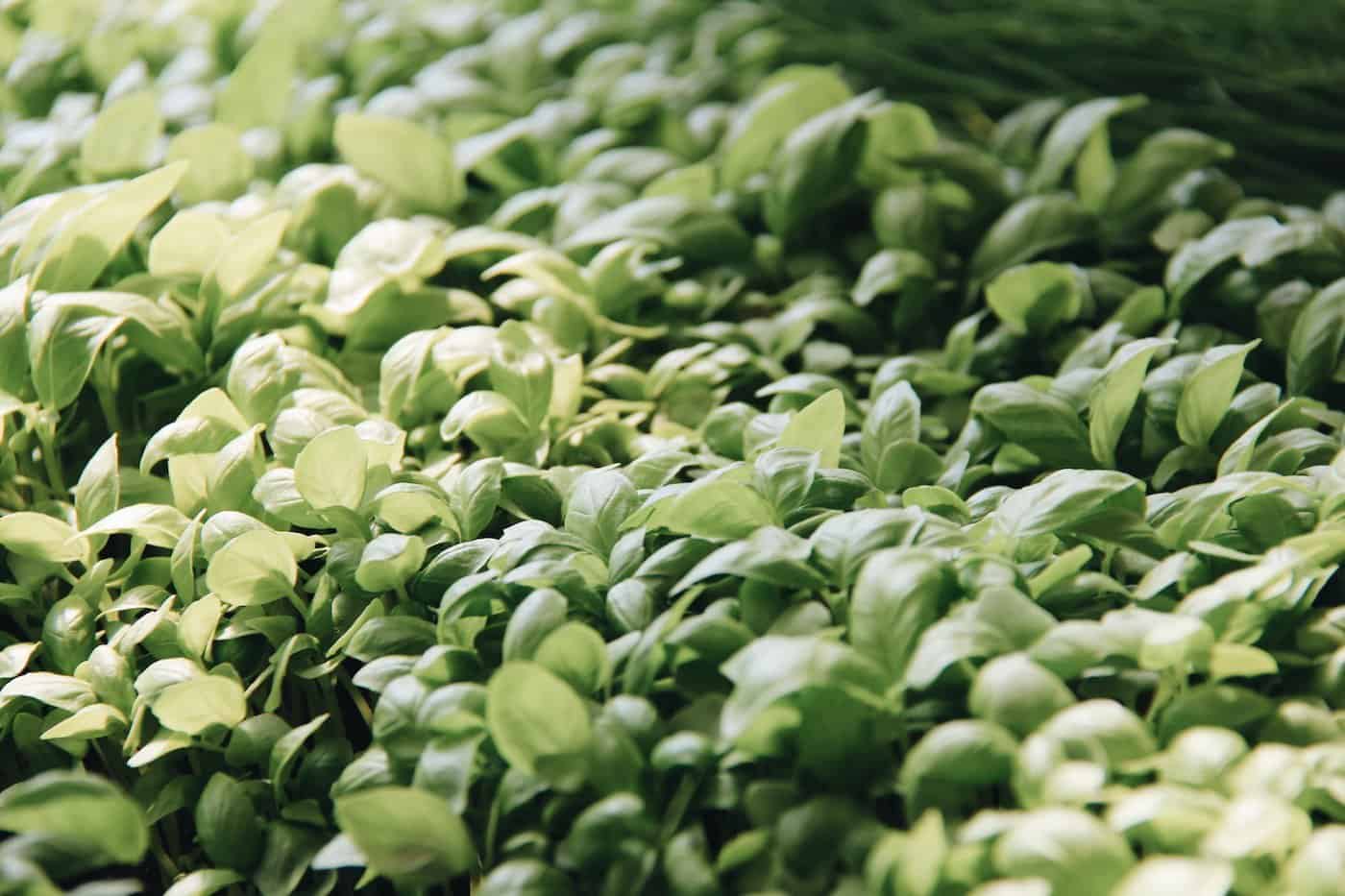
Microgreens are a relatively new addition to the world of agriculture, but they have quickly become a popular and important aspect of a diversified farming operation. These tiny, nutrient-dense plants are harvested when they are still in their early stages of growth, just after the first set of true leaves appear.
Category Archives: Farming Education
Attracting Bats to Your Farm

Bats are one of the most misunderstood creatures on the planet. Often seen as creepy and dangerous, bats are actually an incredibly important part of our ecosystem. They play a vital role in pollinating plants, controlling insect populations, and spreading seeds. Unfortunately, many bat populations around the world are in decline, which is why it’s so important to attract them to farms and other agricultural areas with the use of bat boxes.
On Becoming a Certified Farmer
In this blog post, we will explore what it means to become Certified Naturally Grown, how the certification process works, and the benefits of this certification for farmers and consumers.
The Importance of Soil Health in No-till, Regenerative Farming
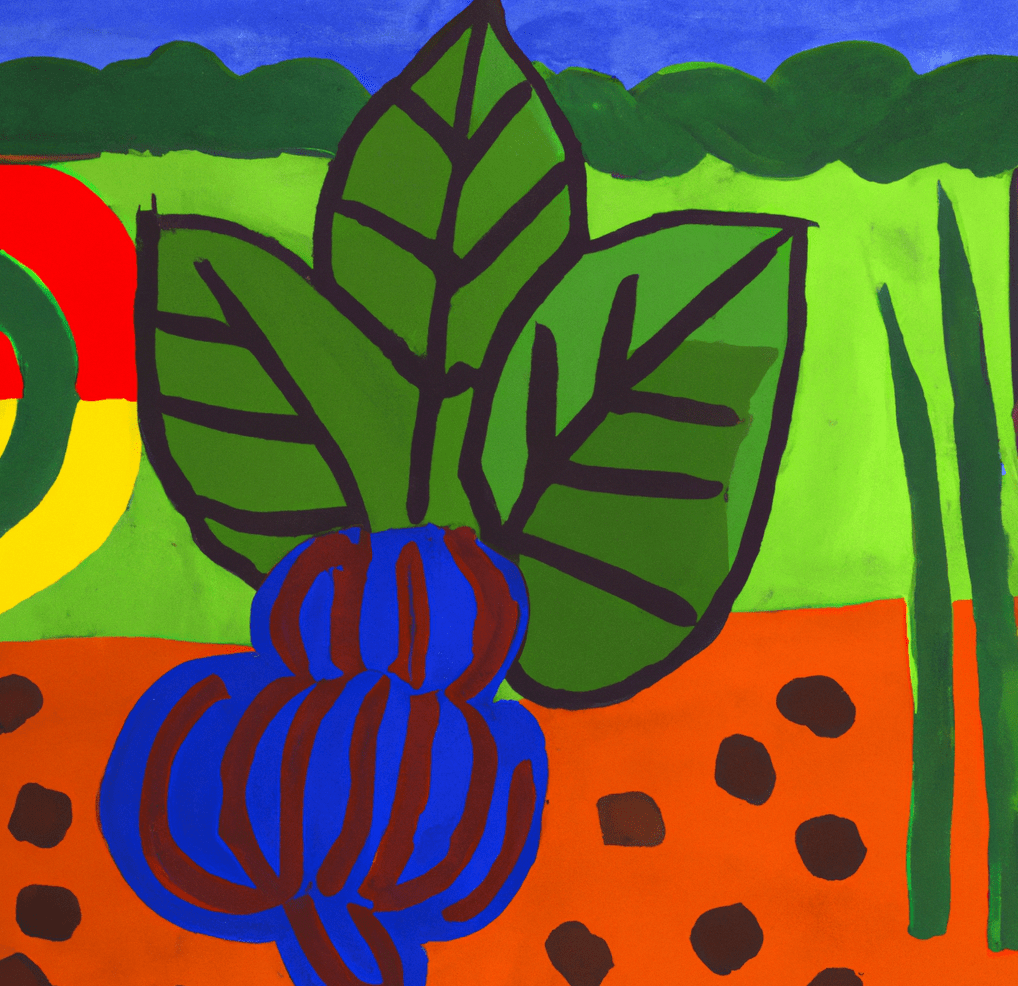
Soil health is critical to any farming system, but it is especially important in regenerative agriculture. Regenerative agriculture is a system of farming that prioritizes the health of the soil, the environment, and the farmer. In a regenerative agriculture setting, the soil is seen as a living system, and farmers work to promote the biodiversity of the soil ecosystem, rather than simply using it as a medium to grow crops. The goal of regenerative agriculture is to create a more sustainable and resilient agricultural system, and healthy soil is a key component of that system.
What is No-till Regenerative Farming?
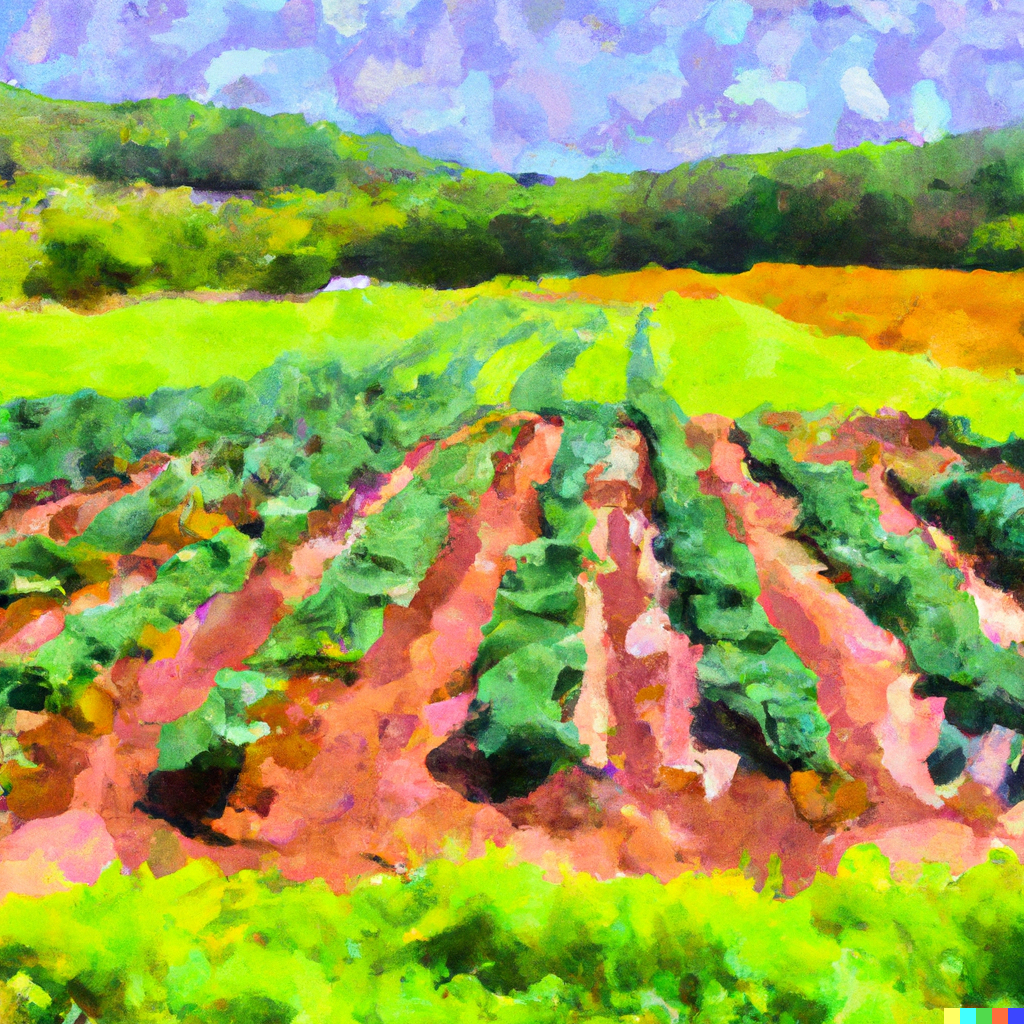
Regenerative agriculture is a new and innovative approach to farming that prioritizes the health of the soil and the environment. No-till regenerative farming, in particular, has become increasingly popular in recent years due to its numerous benefits.
 Birdie & The Bees Farm