No-Till Farming
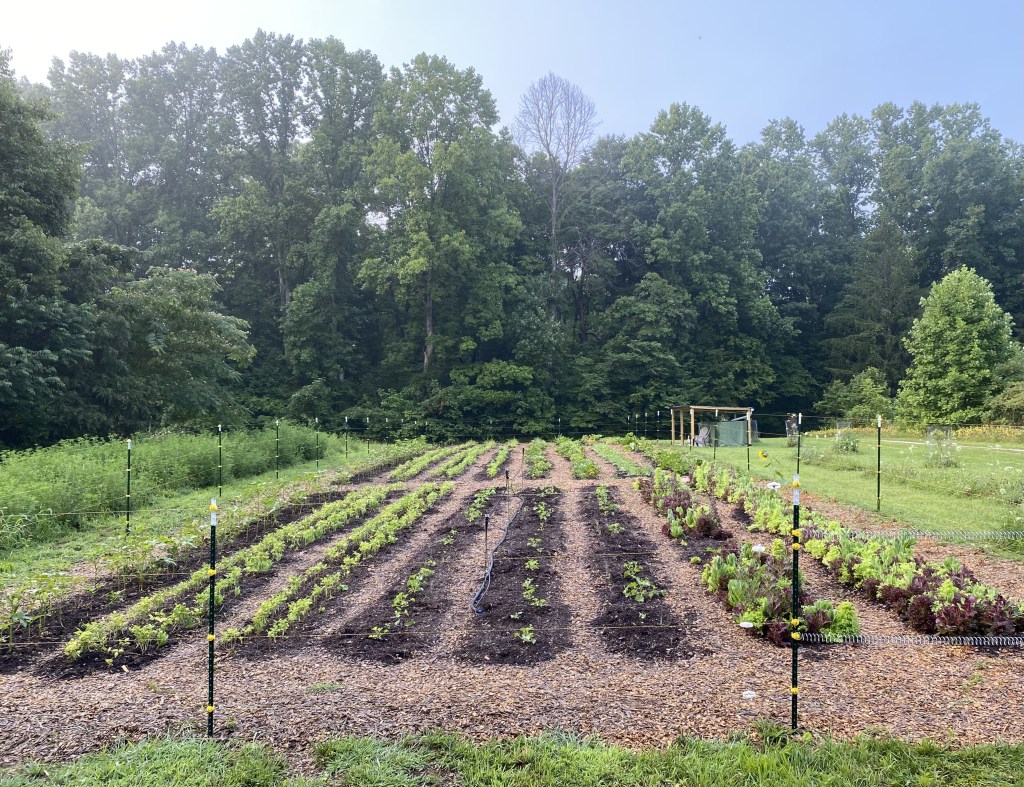
We practice no-till farming (also known as zero tillage or direct drilling) at Birdie & The Bees. This method allows us to grow crops without disturbing the soil through tillage. No-till farming decreases the amount of soil erosion, increases soil carbon capture, water retention, organic matter, and nutrient cycling. Along with practicing no-till, we DO NOT use herbicides, pesticides, fungicides, or synthetic fertilizers on our crops. Instead, we employ heavy crop rotation, cover crops, mechanical weeding (our hands), and heavy compost applications to achieve healthy and productive soil!
Rainwater Harvesting

We have multiple rainwater harvesting “pods” around the farm that collect rain into multiple 275-gallon IBC totes. We then use this water to irrigate our crops through drip lines. Drip lines allow us to precisely water our plants and ensure that there is no wasted rainwater through evaporation.
Season Extension
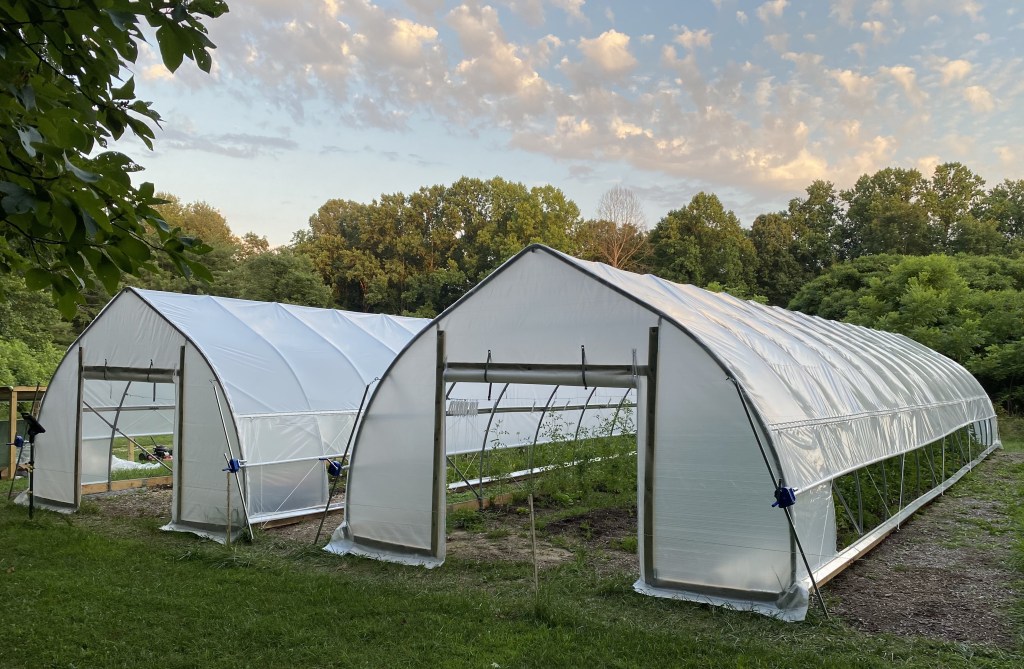
We use high tunnels (hoop houses/caterpillar tunnels) as well as low tunnels (arched row covers) as tools to increase the amount of produce we can grow year around. These passive greenhouses and row covers also help us in the management and prevention of insect pests, animal pests, diseases, and water/light uptake.
Composting
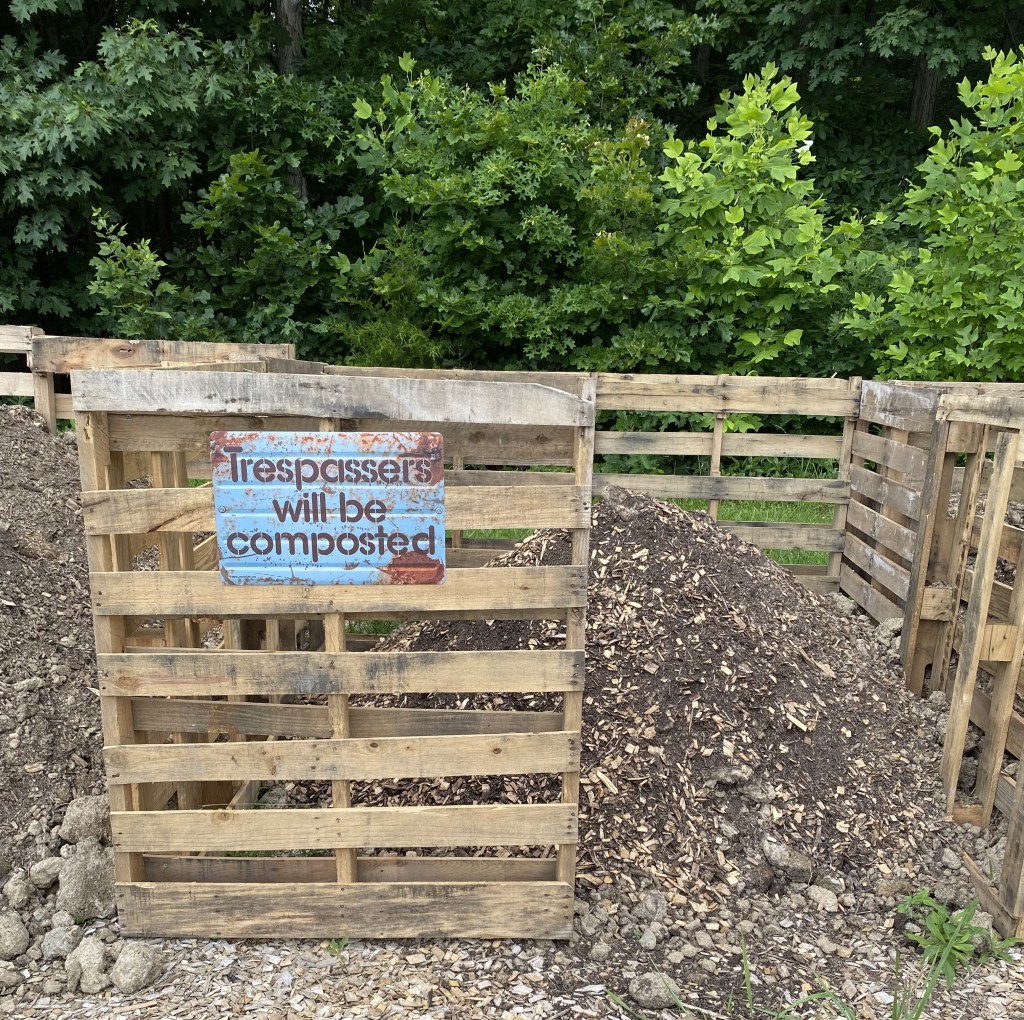
We are getting better and better at making our own compost on the farm. Our compost contains spent potting soil, plant matter (microgreens, vegetable scraps, plant prunings, leaves), natural wood mulch, and kitchen scraps. As we make more and more complex compost, we will be using it to add tons of great nutrients back into the soil where our veggies grow.
Implement Maintenance
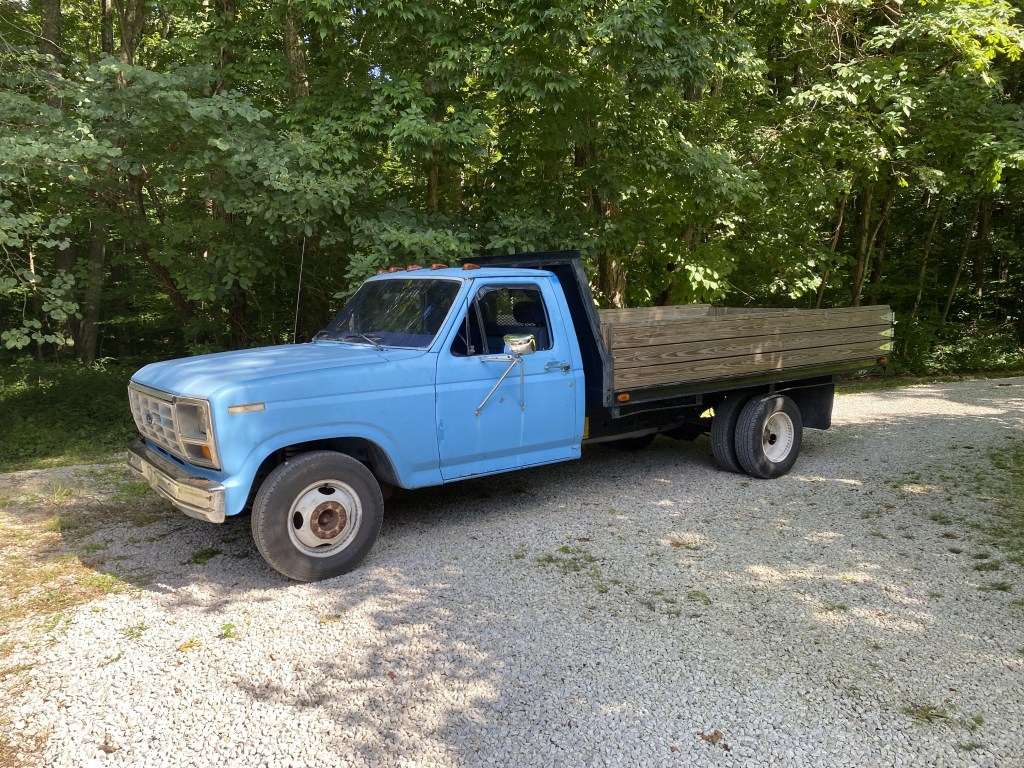
While maintenance is not usually considered part of a sustainability initiative, keeping tools, implements, tractors, and vehicles in good working order means that those essential farm objects will be in service for a long time. We are careful to maintain all of our tools, tractors, and vehicles so that we are not contributing to throwaway culture. This is most clearly seen in our tractors (all from the 1950’s) and our farm truck (1983 F350), which we lovingly repair whenever required!


 Birdie & The Bees Farm